Best Beekeeping Gloves for Beginners: Top Picks for New Beekeepers
This post contains affiliate links. If you purchase through these links, we earn a small commission at no extra cost to you.
Choosing the best beekeeping gloves for beginners is one of those decisions that seems simple until you realize how many options exist. I remember standing in front of my computer screen scrolling through dozens of glove listings, wondering whether I needed cowhide or goatskin, ventilated or solid sleeve, and whether spending more actually meant better protection. After several seasons of working hives through Manitoba winters and summers, I have a clear picture of what works and what does not.
Safety Note: Beekeeping gloves reduce the risk of stings but are not completely sting-proof. Always carry an epinephrine auto-injector if you have a known bee allergy. If you have never been stung, consult your doctor about allergy testing before starting beekeeping. Even with gloves, expect occasional stings - especially through thinner materials on warm days when bees are more defensive.
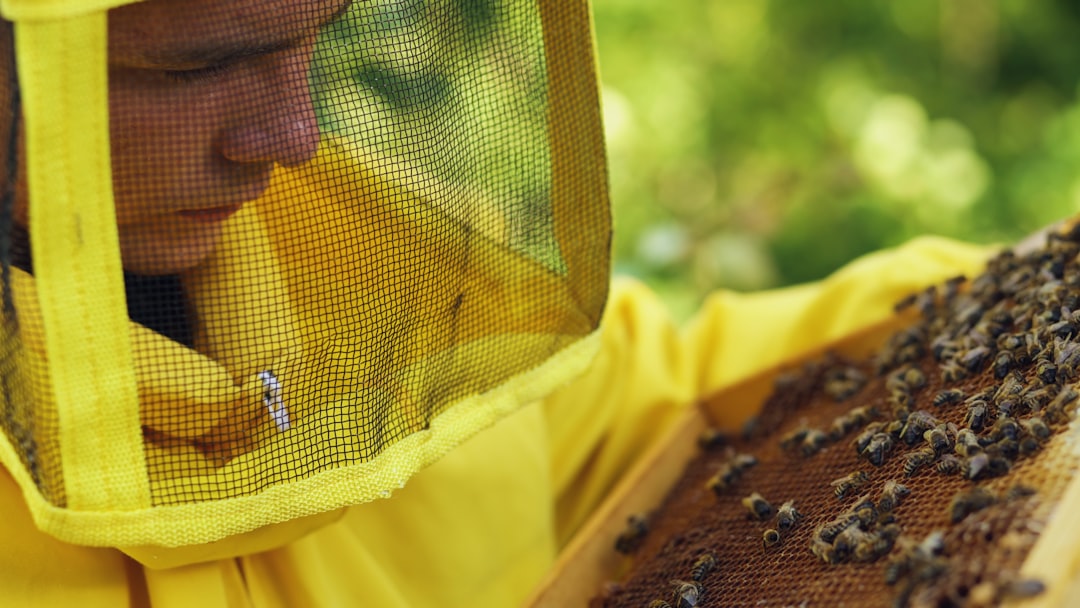
Photo by Vitaly Gariev on Unsplash
Why Gloves Matter More Than You Think
Most experienced beekeepers will tell you they rarely wear gloves. That is fine advice for someone with years of hive time under their belt, but for a beginner, gloves are essential. Your hands are right in the middle of the action every time you pull a frame, and new beekeepers tend to move slower and less confidently - which means more time for bees to find exposed skin.
I started without gloves because a veteran beekeeper told me it would help me learn gentler handling. He was right about the theory, but after my third sting in a single inspection, I ordered a pair of cowhide gloves and never looked back. In my experience, building confidence first and then transitioning to lighter gloves or bare hands is a much better approach for most people.
The University of Arkansas Cooperative Extension recommends that beginners start with protective gloves, noting that most stings a new beekeeper receives land on the hands when handling frames covered with bees. That matches what I have seen in my own apiaries and with new beekeepers I have helped get started on the Canadian prairies.
What to Look for in Beginner Beekeeping Gloves
Before I walk through specific products, here is what actually matters when picking your first pair of beekeeping gloves.
Material: Cowhide vs. Goatskin
These are the two leather types you will see most often. Cowhide is thicker and stiffer, which means more sting protection but less dexterity. Goatskin is softer, more flexible, and molds to your hands over time - but it offers slightly less protection against determined stingers.
For beginners, I recommend starting with cowhide. The extra protection builds confidence, and confidence is what you need most during your first season. You can always switch to goatskin once you are more comfortable around the hive.
Sleeve Length and Design
Most beekeeping gloves come with canvas sleeves that extend to the elbow or above. This prevents bees from crawling up your arm under your suit. Look for sleeves with elastic cuffs at the top - they seal better against your suit than loose openings.
Some gloves now come with ventilated sleeves that use mesh panels to improve airflow. These are a real advantage during summer inspections when your hands are sweating inside leather. In Manitoba, I find ventilated sleeves make a noticeable difference from June through August.
Fit
A poorly fitting glove is worse than no glove at all. If your gloves are too big, your fingers bunch up at the tips, you fumble frames, and your clumsy movements agitate the bees - which leads to more stinging. If they are too tight, you lose circulation and fatigue faster. Order true to size and check the manufacturer’s sizing chart before buying.
Best Beekeeping Gloves for Beginners: My Top Picks
I have tested or handled all of the gloves on this list either in my own apiaries or when helping new beekeepers get set up. Here are the ones I recommend.
1. Humble Bee 115 Cowhide Beekeeping Gloves
The Humble Bee 115 is my go-to recommendation for brand new beekeepers. The cowhide palm and fingers provide solid sting protection, and the reinforced and ventilated canvas cuffs give you the best of both worlds - airflow where you need it, protection where it counts.
What I like about these gloves is the construction quality at a reasonable price point. The leather is thick enough to stop most stings without being so stiff that you cannot grip a frame. The ventilated cuffs help keep your forearms from overheating during long summer inspections. I have recommended these to several new beekeepers in my area, and the feedback has been consistently positive.
Best for: Absolute beginners who want maximum sting protection at a fair price.
What to watch for: The cowhide does stiffen up if it gets wet and dries without conditioning. Keep a small bottle of leather conditioner handy and treat them after any rainy inspection day.
2. Humble Bee 112 Goatskin Beekeeping Gloves
If you want a step up in dexterity from the start, the Humble Bee 112 uses goatskin instead of cowhide. The leather is noticeably softer right out of the package, and it breaks in quickly. After a few inspections, these gloves feel almost like a second skin.
I switched to goatskin gloves during my second season and immediately noticed how much easier it was to grip individual frames, scrape propolis, and handle the smoker without taking gloves off. The ventilated cuffs on this model work well, and the elastic at the top seals cleanly against a bee suit sleeve.
Best for: Beginners who prioritize dexterity and plan to do frequent inspections.
What to watch for: Goatskin provides slightly less sting protection than cowhide. On aggressive hive days - especially in fall when bees are more defensive about their honey stores - I have had stings get through goatskin palms. It is uncommon, but it happens.
3. Foxhound Bee Company Sting Stopper Ventilated Gloves
The Foxhound Sting Stopper Ventilated gloves have become popular for good reason. They use a multi-layer goatskin construction on the hands with ventilated mesh panels on the back, giving you serious sting protection without the sauna effect that fully enclosed gloves create.
I have found these gloves particularly good for summer beekeeping on the prairies, where temperatures can swing from cool mornings to genuinely hot afternoons. The ventilation panels make a real difference when you are running through multiple hives in July heat. The construction feels durable, and the Velcro cuff closure gives a snug, adjustable fit that works well with different suit styles.
Best for: Beekeepers in warmer climates or anyone who does extended inspection sessions in summer.
What to watch for: The ventilated mesh areas on the back of the hand offer less protection than solid leather. A determined bee can occasionally sting through the mesh. In my experience, it is rare - maybe once or twice a season - but worth knowing about.
4. Natural Apiary Goatskin Ventilated Beekeeping Gloves
The Natural Apiary goatskin gloves are another solid option for beginners. They feature goatskin leather with ventilated canvas sleeves and elasticated gauntlets that seal well against suit cuffs. The overall build quality is good, and these gloves tend to hold up well over a full season of regular use.
What sets these apart is the sleeve design. The extra-long twill sleeves extend well past the elbow, which is valuable if you are working with a shorter bee suit or a jacket-style veil that does not have built-in arm protection. I have recommended these to a few beginners who were using half-suits, and the longer sleeves provided peace of mind.
Best for: Beekeepers using jacket-style suits or anyone who wants extra-long sleeve coverage.
What to watch for: Sizing runs slightly large on these. I recommend ordering one size down from your normal glove size and checking Natural Apiary’s sizing chart before purchasing.
5. Natural Apiary Cowhide Ventilated Beekeeping Gloves
If you want the maximum sting protection of cowhide with ventilated sleeves, the Natural Apiary cowhide model delivers. These are the thickest gloves on this list and offer the most protection against aggressive colonies.
I keep a pair of heavy cowhide gloves like these as my “hot hive” backup. Most of my hives are gentle enough that goatskin is fine, but every beekeeper encounters that one colony that gets defensive during a dearth or after a failed requeen attempt. Having a pair of heavy-duty cowhide gloves in your kit bag for those situations is smart planning.
In my experience, these are overkill for everyday inspections once you have some confidence, but they are excellent insurance for beginners who are still building their comfort level around bees.
Best for: Beginners who are nervous about stings or anyone keeping colonies with a defensive temperament.
What to watch for: The thick cowhide significantly reduces dexterity. Small tasks like picking up queen cells or handling small hive beetles become awkward. Accept the trade-off during your first season and plan to move to thinner gloves later.
6. Foxhound Sting Stopper Short Cuff Gloves
For beginners who find long-sleeved gloves too cumbersome, the Foxhound Sting Stopper short cuff version offers the same goatskin protection with a shorter, more compact sleeve. These are a good transition glove for someone moving from full protection toward bare-handed beekeeping.
I use short cuff gloves for quick checks - things like popping a lid to check a feeder or doing a fast visual inspection on a warm day when I do not want to suit up fully. They slide on and off much faster than full-length gloves, which matters when you are checking multiple hives.
Best for: Beekeepers who want a lighter, quicker option for brief inspections and warm-weather work.
What to watch for: The short cuffs leave a gap between glove and suit sleeve if your suit does not have tight-fitting arm cuffs. On aggressive hive days, bees will find that gap. Pair these with a suit that has snug elastic wrist closures.
How to Care for Your Beekeeping Gloves
Good gloves last multiple seasons with proper care. Here is what I do with mine.
Cleaning
After every inspection, scrape off any excess propolis and wax with your hive tool while the gloves are still warm. Propolis hardens quickly and becomes nearly impossible to remove once it sets. For deeper cleaning, wipe leather gloves with a damp cloth - do not soak them in water or run them through the washing machine.
I have seen beginners toss leather gloves in the wash after a messy extraction day. The leather comes out stiff, cracked, and ruined. If your gloves get soaked with honey during your first harvest, wipe them down thoroughly and let them air dry away from direct heat.
Conditioning
Leather gloves benefit from occasional conditioning, especially in dry prairie climates where the leather can crack. I apply a thin coat of leather conditioner - the same stuff you would use on work boots - at the start and end of each beekeeping season. This keeps the leather supple and extends the life of the gloves significantly.
Storage
Store gloves in a dry place away from direct sunlight. I keep mine in my beginner beekeeping kit bag along with the rest of my inspection gear. Avoid storing damp gloves in a sealed container - they will grow mold. Hang them or lay them flat in a well-ventilated area until completely dry.
Cowhide vs. Goatskin: Which Should a Beginner Choose?
This is the question I get asked most by new beekeepers, and my answer has stayed consistent over the years.
Start with cowhide if you have never been around bees before, you are nervous about stings, or you are keeping hives in an area known for more defensive bee genetics. The confidence boost from knowing your hands are well protected is worth the temporary loss of dexterity.
Start with goatskin if you have some prior experience around bees (maybe you helped a friend with their hives), you know you are not allergic, or you plan to do frequent inspections where dexterity matters. Goatskin is the better long-term glove material for most beekeepers, so starting with it saves you from buying a second pair right away.
Either way, you will eventually find your preference. I know beekeepers who have kept bees for decades and still swear by heavy cowhide gloves. I know others who went bare-handed after their first month. There is no wrong answer here - the best glove is the one that gets you into the hive confidently and regularly.
A Note About Nitrile Gloves
You will see experienced beekeepers recommend nitrile examination gloves as an alternative to leather. They are cheap, disposable, and surprisingly effective at preventing stings. The thin material gives you excellent dexterity, and you can feel everything through them.
I do not recommend nitrile for true beginners. Here is why: nitrile does not stop every sting, especially from bees that hit at the right angle. When you are new and already nervous, getting stung through your gloves undermines your confidence at exactly the wrong time. Start with proper leather beekeeping gloves, build your confidence, and then experiment with nitrile later if you want more dexterity.
That said, nitrile gloves are excellent for honey extraction and processing, where sting risk is lower and you want to keep honey off your leather gloves. I always have a box in my extraction setup.
What to Budget for Beekeeping Gloves
Beekeeping gloves range from about $20 for basic imports to $60 or more for premium goatskin options. For a beginner, I recommend budgeting $25 to $45. That range covers all of the gloves on this list and gets you quality construction that will last at least a full season of regular use.
Do not cheap out on your first pair. A $12 pair of gloves from an unknown brand might save you money upfront, but thin leather, poor stitching, and ill-fitting sleeves will frustrate you and potentially let stings through. When you are calculating the total cost to start beekeeping, quality gloves are a small investment that pays dividends in comfort and confidence.
If you are putting together a complete starter setup, check out our guide to the best beginner beekeeping kit for recommendations on suits, smokers, hive tools, and other essentials alongside gloves.
FAQ
What are the best beekeeping gloves for someone who has never kept bees?
For a complete beginner, I recommend cowhide gloves with ventilated sleeves like the Humble Bee 115. The thick leather provides reliable sting protection while you build confidence handling frames and working around bees. Ventilated sleeves keep your arms from overheating during summer inspections, which is a common complaint with fully enclosed gloves.
Can bees sting through beekeeping gloves?
Yes, bees can sting through beekeeping gloves, though quality leather gloves stop most stings. Thinner materials like goatskin are more susceptible than cowhide, and ventilated mesh areas offer less protection than solid leather. Even with the best gloves, expect an occasional sting - it is part of beekeeping. Most beekeepers find that stings through gloves are less painful than direct skin stings because the stinger does not penetrate as deeply.
How often should I replace my beekeeping gloves?
With proper care - cleaning propolis after each use, occasional leather conditioning, and dry storage - a quality pair of beekeeping gloves lasts two to three seasons. Replace them when the leather becomes cracked, stiff, or thin enough that stings regularly penetrate. I have had pairs last four seasons with diligent care, but most beginners are harder on gloves than experienced beekeepers.
Should I buy goatskin or cowhide beekeeping gloves?
Start with cowhide for maximum sting protection during your first season. Cowhide is thicker and stiffer, which means fewer stings get through but you sacrifice some dexterity. Goatskin is softer, more flexible, and preferred by experienced beekeepers for everyday inspections. Many beekeepers start with cowhide and switch to goatskin in their second season once they are more comfortable handling bees.
Are nitrile gloves good enough for beekeeping?
Nitrile examination gloves work well for experienced beekeepers who want maximum dexterity, and they are excellent for honey extraction and processing. However, I do not recommend them for beginners because they do not stop every sting. Building confidence in your first season is important, and getting stung through your gloves can be discouraging. Start with proper leather beekeeping gloves and consider nitrile as a secondary option once you have more hive experience.
Related Reading
If you are just getting started, head over to our beginner’s guide to starting a beehive for a complete walkthrough of everything you need to know before your first season.
About the Author
MB Beekeeping covers cold-climate beekeeping with a focus on practical techniques for northern winters. Our guides draw on hands-on experience keeping bees through prairie winters - we write about what actually works when temperatures drop below -30.