Best Beginner Beekeeping Kit: Top Starter Kits Compared (2026)
Buying your first beekeeping kit is the most consequential equipment decision you will make as a new beekeeper. Get it right and you have reliable gear that lasts for years. Get it wrong and you are replacing cheap components mid-season while your bees wait. I have seen beginners waste money on kits stuffed with gear they do not need and missing things they do, so this guide focuses on what actually matters in a starter kit and which options deliver the best value.
This post contains affiliate links. If you purchase through these links, we earn a small commission at no extra cost to you.
Safety Note: When assembling new hive equipment, wear gloves to avoid splinters from unfinished wood. If using wood preservative or paint on exterior hive bodies, allow full curing time (typically 2-4 weeks) before introducing bees. Use only non-toxic, low-VOC exterior latex paint on hive bodies - never paint interior surfaces that bees will contact.
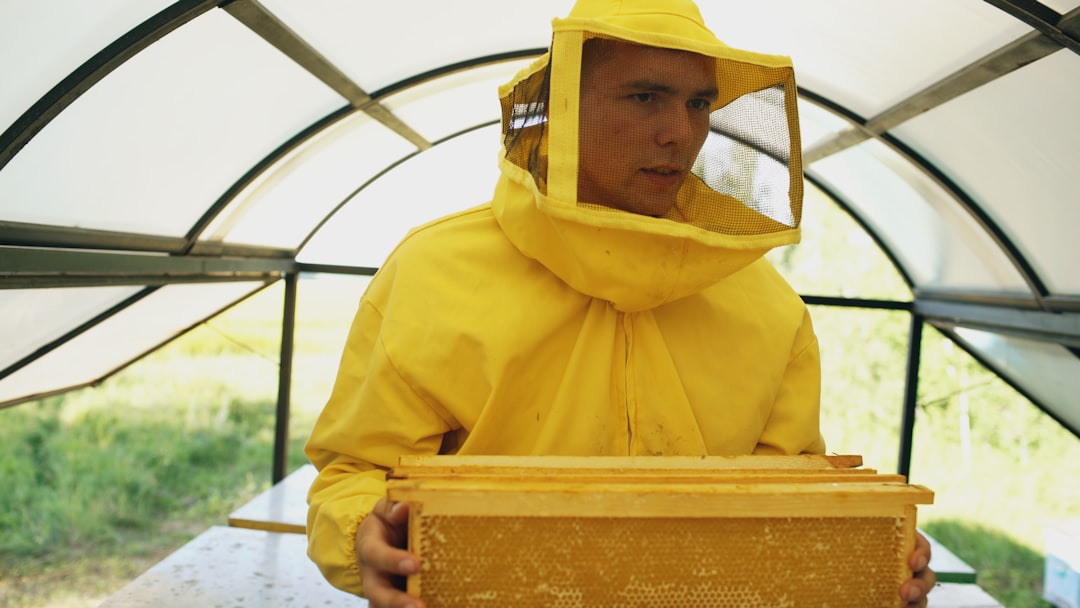
Photo by Vitaly Gariev on Unsplash
What Should a Starter Kit Include?
Before looking at specific kits, you need to know what you actually need for your first hive. A complete beginner setup has two categories: hive components and beekeeper gear.
Hive Components (Essential)
- Bottom board (screened or solid)
- Two deep brood boxes with frames and foundation (10-frame or 8-frame)
- Inner cover
- Telescoping outer cover
- Entrance reducer
A kit that includes only one brood box is not complete for cold climates. You need two deeps for adequate winter stores. If a kit ships with one deep and one medium super, that can work, but two deeps is the northern standard. Our beginner’s guide covers why this configuration matters.
Beekeeper Gear (Essential)
- Veil or full bee suit
- Gloves (leather or goatskin)
- Smoker
- Hive tool
Some kits bundle hive components and beekeeper gear together. Others sell them separately. Bundled kits are usually the best value for true beginners who need everything.
What You Do NOT Need Yet
- Honey supers (you likely will not harvest in year one)
- Queen excluder (add when you actually have supers)
- Honey extractor (worry about this when you have honey)
- Bee brush (nice to have, not essential)
- Frame grip (same)
Kits that pad the item count with accessories you will not use for a year are not giving you better value. They are charging you more for things that can wait.
Top Starter Kits for Beginners
Best Overall: Complete Langstroth Hive Kit with Two Deeps
The 10-frame Langstroth complete hive kit from established beekeeping suppliers typically includes everything you need for the hive itself: screened bottom board, two deep brood boxes with frames and beeswax-coated foundation, inner cover, outer cover, and an entrance reducer. Prices range from $180-250 depending on wood quality and whether frames come assembled or flat-packed.
What I like: Two deep boxes included means you are set up for a proper cold-climate configuration from day one. Beeswax-coated foundation helps bees draw comb faster. Screened bottom board supports varroa monitoring.
What to watch for: Some kits ship with unassembled frames, which adds 2-3 hours of assembly time. If you are not handy with a hammer, look for kits with pre-assembled frames or budget extra time. Check that the wood is properly milled - rough joints and warped boards create gaps that bees fill with propolis, making inspections harder.
Best Budget Option: Basic Hive Kit Plus Separate Gear
If budget is tight, buying a basic hive body kit (hive components only) and sourcing your protective gear separately often saves $30-50 compared to all-in-one bundles. You can find serviceable smokers, hive tools, and veils individually for less than the markup in bundled kits.
The tradeoff is more shopping and decision-making. For someone who just wants one box to arrive with everything inside, a bundle is worth the premium.
Best All-in-One Bundle: Hive + Suit + Tools
The complete beekeeping starter kit with suit bundles from major beekeeping suppliers include the hive, a ventilated bee suit, leather gloves, smoker, hive tool, and sometimes a bee brush and frame grip. Prices range from $280-400 for a complete setup.
What I like: One purchase and you have literally everything except bees and feed. The convenience factor is real, especially for beginners who do not know what brands or sizes to buy for individual components.
What to watch for: Suit quality in bundled kits is often the weak link. The hive components are usually fine, but the included suit may be thinner or less well-ventilated than standalone options. If you are in a hot climate or plan to keep bees for more than a season, consider buying the hive kit separately and investing in a quality suit like the Humble Bee ventilated suit.
8-Frame vs 10-Frame: Which Size?
Most starter kits come in 10-frame or 8-frame configurations. The difference matters more than most beginners realize.
10-frame is the traditional standard. More comb area per box means more room for brood and honey storage. The downside is weight - a full 10-frame deep weighs 60-80 pounds.
8-frame reduces the weight per box to roughly 50-65 pounds full. The colony has slightly less space per box, which means you may need to add a third brood box in cold climates to ensure adequate winter stores.
For cold climates where winter stores are critical, I prefer 10-frame equipment. Two 10-frame deeps hold enough honey to get a colony through a prairie winter without needing a third box. With 8-frame equipment, you may be running three boxes, which adds height and complexity.
For beekeepers with physical limitations, 8-frame is the better choice. The weight savings per box is meaningful over a full season of inspections.
What to Do After the Kit Arrives
Assembly
Set aside a weekend afternoon. You will need wood glue, a hammer or brad nailer, and optionally exterior latex paint. Glue and nail the box joints. Assemble frames if they came flat-packed (push the top bar, side bars, and bottom bar together, insert foundation). Paint the exterior surfaces of the boxes and let them cure for at least two weeks before introducing bees.
Do not paint interior surfaces. Do not paint frames. The bees will coat everything inside with propolis and wax anyway.
Placement
Position the assembled hive in its permanent location before bees arrive. Southeast-facing entrance, sheltered from north wind, accessible for weekly inspections. See our beginner’s guide for detailed site selection criteria.
Prepare for Bees
Order bees (package or nuc) well in advance. Spring packages sell out quickly. Have your hive top feeder and sugar syrup ready for installation day. Read through the package installation process so you know exactly what to do when the bees arrive.
For a thorough independent review of beekeeping equipment quality standards, the American Bee Journal regularly publishes equipment reviews and buyer guides from experienced beekeepers.
FAQ
How much should I spend on a starter kit? $180-250 for a quality hive kit (components only) or $280-400 for a complete bundle with suit and tools. Going below $150 usually means thin wood, poorly milled joints, or a single brood box that is insufficient for cold climates. Going above $400 for a basic starter kit means you are paying for accessories you do not need yet.
Should I buy a painted or unpainted kit? Unpainted is standard and cheaper. You paint it yourself with exterior latex paint. The painting adds time but lets you choose the color. In cold climates, darker colors absorb more solar heat in winter - worth considering. Some suppliers sell pre-assembled and painted kits at a premium if you want to skip the setup work entirely.
Do I need wax foundation or can I go foundationless? Start with wax foundation. It guides the bees to build straight comb aligned with the frames, which makes inspections dramatically easier. Foundationless beekeeping is fascinating but introduces challenges (cross-comb, fragile comb, uneven cell sizes) that complicate your first year. Try foundationless in year two or three once you understand how bees build.
Can I mix brands of equipment? Yes, as long as you stay within the same frame count (all 10-frame or all 8-frame). Langstroth dimensions are standardized. A Mann Lake brood box will accept Brushy Mountain frames and sit on a Dadant bottom board. Minor fit variations exist between manufacturers, but nothing that prevents interoperability.
Should I buy used equipment? Used hive bodies and frames can save money, but inspect carefully for signs of disease (dark, greasy comb may indicate American foulbrood). If you cannot identify disease signs confidently, buy new. Protective gear should always be purchased new for fit and sting protection reliability.
Related Reading
- Beginner’s Guide to Starting a Beehive
- How to Hive a Package of Bees
- Best Hive Insulation for Cold Winters
Ready to install your first bees? Read our step-by-step package installation guide for the full walkthrough.
About the Author
MB Beekeeping covers cold-climate beekeeping with a focus on practical techniques for northern winters. Our guides draw on hands-on experience keeping bees through prairie winters - we write about what actually works when temperatures drop below -30.