How to Do an Oxalic Acid Treatment for Varroa Mites
This post contains affiliate links. As an Amazon Associate, I earn from qualifying purchases at no extra cost to you.
Oxalic acid (OA) has become a go-to treatment for varroa mites in backyard beekeeping, and for good reason: it is highly effective, relatively affordable, and approved for use in colonies that are actively producing honey. When applied correctly, it can eliminate 90 percent or more of phoretic mites - those riding on adult bees rather than hiding in capped brood cells.
In our experience using both the dribble and vaporization methods across multiple hive seasons, OA works best when you understand what it can and cannot do, and when you time your treatments well.
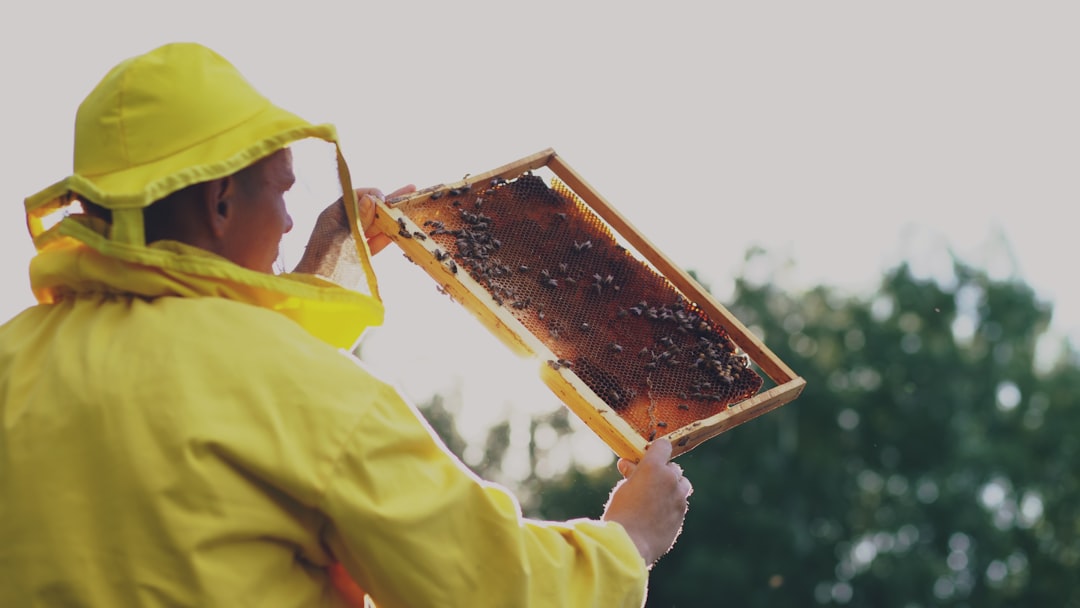
Photo by Vitaly Gariev on Unsplash
Safety warning: Oxalic acid is corrosive and can irritate your eyes, skin, and respiratory tract. Always wear chemical-resistant gloves, safety glasses, and a properly fitted respirator rated for acid vapors before handling or applying it. Work outdoors or in a well-ventilated area. If using a vaporizer, keep bystanders and pets away from the hive during treatment and for at least 10 minutes afterward. Read the Api-Bioxal label in full before your first treatment - it contains required safety and application information.
What Is Oxalic Acid and Why Does It Work Against Varroa?
Oxalic acid is a naturally occurring organic compound found in plants like rhubarb and spinach. In beekeeping, it works as a varroa treatment because mites are far more sensitive to it than bees are. When OA contacts a varroa mite directly - either through the dribble method or as a vapor - it disrupts the mite’s body chemistry and kills it.
The important limitation: OA only kills phoretic mites, meaning mites that are on adult bees and not sealed inside capped brood cells. Mites inside capped cells are fully protected until they emerge. This is why timing matters so much.
In the United States, the only EPA-registered oxalic acid product approved for use in honey bee colonies is Api-Bioxal. According to the University of Florida’s honey bee research program, varroa destructor is the most serious pest of managed honey bee colonies worldwide - and oxalic acid remains one of the most beekeeper-friendly tools for managing it.
The Two Methods: Dribble vs. Vaporization
There are two ways to apply oxalic acid: the dribble (trickle) method and the vaporization (sublimation) method. Choosing the right one depends on your hive’s brood status.
Dribble Method
The dribble method involves mixing Api-Bioxal in a sugar syrup solution and trickling it directly onto bees clustered between the frames. It requires no specialized equipment and works well when the colony is broodless. When used on a colony with capped brood, it will only kill the phoretic mites - leaving the ones inside cells to re-emerge and re-infest.
We use the dribble method primarily in late fall and winter, when our colonies have naturally stopped raising brood.
Vaporization Method
The vaporization method uses a heated device called a vaporizer or sublimator to convert solid oxalic acid crystals into a vapor that fills the hive interior. The vapor contacts bees across all frames and penetrates into areas of the hive that the dribble method cannot reach. While it still does not kill mites inside sealed cells, it allows you to do multiple treatments spaced a few days apart to catch mites as they emerge from brood.
We have found vaporization more versatile across the season - particularly useful when brood is present and you need to run a series of treatments over 2 to 3 weeks.
Equipment You Need
For the dribble method you need Api-Bioxal powder, a 1:1 warm sugar syrup solution, a syringe or squeeze bottle for application, chemical-resistant gloves, and safety glasses.
For vaporization you additionally need an electric oxalic acid vaporizer or sublimator, a properly rated acid vapor respirator, and foam or tape to seal the hive entrance and any other openings during treatment.
Step-by-Step: Dribble Method
1. Mix the solution. Following the Api-Bioxal label directions exactly, dissolve the powder in a 1:1 warm sugar syrup. The 35g package is pre-measured for the correct treatment concentration.
2. Open the hive. Remove the outer and inner covers. You do not need to pull individual frames.
3. Apply between frames. Using a syringe, apply approximately 5ml of solution per seam of bees. Treat each seam where bees are clustered. For a standard 10-frame Langstroth, treat all occupied seams. Do not exceed 50ml total per colony.
4. Close the hive. Replace the covers. The bees will groom each other and spread the OA through the cluster over the next several hours.
5. One treatment per year. The Api-Bioxal label allows the dribble method to be used only once per colony per year. For maximum effectiveness, use it during a naturally broodless period.
Step-by-Step: Vaporization Method
1. Gear up first. Put on chemical-resistant gloves, safety glasses, and your respirator before touching the Api-Bioxal package.
2. Seal the hive. Plug the entrance with foam and cover any cracks or openings. You want vapor to build inside the hive rather than escaping immediately.
3. Load the vaporizer. Place the measured amount of Api-Bioxal crystals (typically 1 to 2g per brood box, per the vaporizer manufacturer’s instructions) into the vaporizer’s cup.
4. Insert and activate. Slide the vaporizer wand into the hive entrance and apply power for the time specified by the manufacturer - usually 2 to 3 minutes, or until vapor is no longer visible rising from the cup.
5. Wait before unsealing. Leave the entrance sealed for at least 10 minutes to allow the vapor to thoroughly contact the bees throughout the hive. Then remove the foam and step away from the hive.
6. Repeat if brood is present. If the colony has capped brood, repeat the vaporization every 5 days for a total of 3 treatments. This cycle is designed to catch mites as they emerge from brood cells between treatments.
When to Use Oxalic Acid: Timing Your Varroa Treatments
The best window for a single dribble treatment is during a natural broodless period. In cooler climates this typically falls in mid-to-late winter. In warmer areas where bees never go fully broodless, vaporization with repeated treatments is the better approach.
For vaporization, we recommend a treatment cycle in late summer after the main honey flow has ended, and again in late fall before the cluster tightens. This brings mite counts down before winter, when high mite loads do the most long-term damage to the colony.
Before treating, always do a mite wash or alcohol roll to get a baseline mite count. A count above 2 mites per 100 bees is generally the threshold for treatment. Our guide to reading brood patterns covers some of the visual signs that high mite loads are affecting your hive - look for spotty brood, sunken cappings, and deformed wing virus in newly emerged bees.
What to Expect After Treatment
After a dribble treatment, you may see a brief period of increased activity at the entrance as bees respond to the OA. This is normal. Mite drop on a sticky board under a screened bottom board will typically increase noticeably within the first 24 to 48 hours.
After vaporization, mite drop on a sticky board can be dramatic in the first day or two. We count mite drop as a rough indicator of treatment effectiveness, but we always follow up with a wash 5 to 7 days after the final treatment in a series to confirm the mite count has actually dropped. If counts remain above threshold after a full OA cycle, it is time to consider a different treatment class.
For a broader look at colony health after treatment, see our first hive inspection guide - it covers what to check and what to look for when you open back up.
Recommended Products
Api-Bioxal Oxalic Acid Dihydrate 35g is the standard package size for backyard beekeepers. It is the only EPA-registered OA product labeled for use in honey bee hives in the US. You can also find it directly from suppliers like Mann Lake and Dadant & Sons.
Oxalic Acid Vaporizer/Sublimator - an electric vaporizer for the sublimation method. Runs on a 12V battery or a car battery, making it easy to bring to the apiary.
Chemical-Resistant Gloves - use these any time you handle or apply OA. Standard nitrile beekeeping gloves are not rated for acid resistance.
As an Amazon Associate we earn from qualifying purchases at no extra cost to you.
Ready to sharpen your varroa management approach? Read our guide on reading brood patterns to learn the early warning signs that mite loads are building before they become a colony-threatening problem.