Swarm Prevention and What to Do If Your Bees Swarm
This post contains affiliate links. As an Amazon Associate, I earn from qualifying purchases at no extra cost to you.
Opening your hive one spring morning to find half your bees gone is one of the most frustrating moments in beekeeping. You invested time, money, and care into that colony, and now it has split itself in two - with the stronger half leaving with your mated queen. Swarms are natural, even healthy, but that doesn’t make losing one any less deflating.
The good news is that swarming is almost always predictable. The bees give you clear signals weeks in advance, and with the right management steps you can either prevent the swarm entirely or catch it before it disappears into someone’s wall cavity.
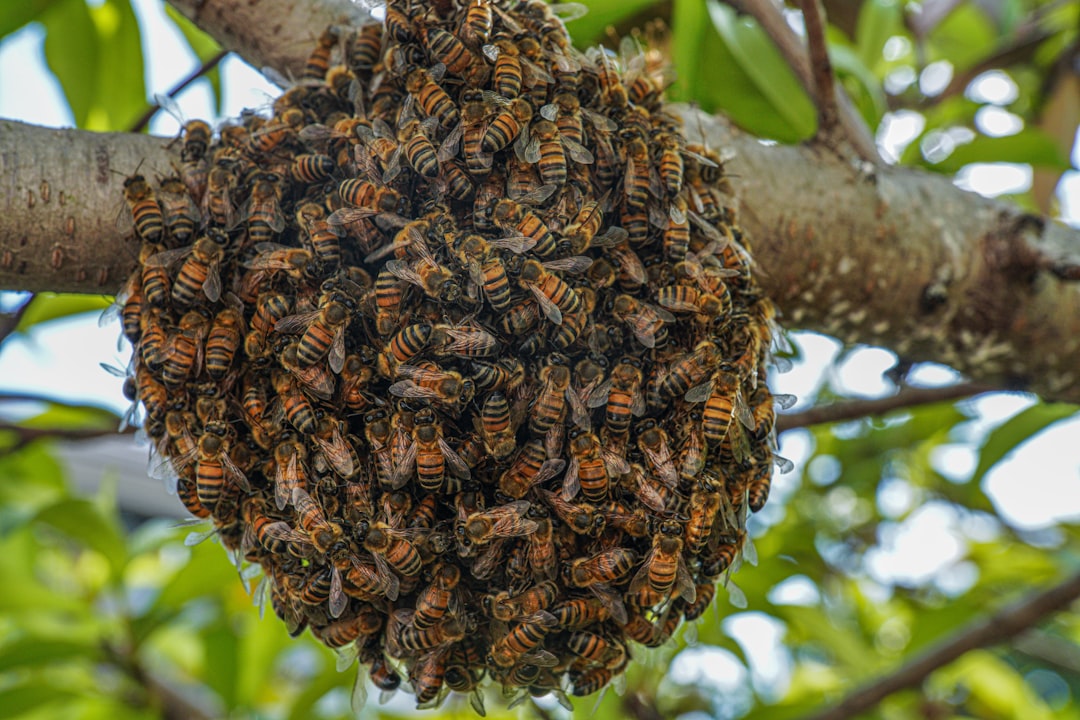
Photo by Mark Koch on Unsplash
This guide covers what triggers swarming, the warning signs to watch for during inspections, proven prevention strategies, and exactly what to do if your bees have already left the hive.
Why Do Bees Swarm?
Swarming is the honey bee colony’s natural method of reproduction. Not individual reproduction - colony reproduction. When a hive grows large enough and healthy enough, it splits itself in two: the old queen departs with roughly half the workers to start a new colony somewhere else, while the remaining bees raise a new queen to continue the original hive.
From the colony’s perspective, this is success. A strong swarm is a sign of a thriving, productive hive. From your perspective as a beekeeper managing for honey production or pollination, it means a sudden population drop, reduced honey yield for the season, and the risk of losing bees entirely if the swarm settles somewhere inaccessible.
Several factors push colonies toward swarming. Overcrowding is the most common - when bees run out of room to store honey and brood, they begin preparing to leave. Reduced ventilation, an aging queen whose pheromone output is declining, a genetic predisposition toward swarming in certain bee strains, and the natural abundance cues of spring all compound each other. In our experience, colonies that swarm most aggressively are those that have been left to overwinter without enough space added the previous summer, and then explode in population the moment spring nectar starts flowing.
Swarming is most common in spring and early summer, typically when the first major nectar flow begins and the colony has been building population for weeks. Some colonies will attempt a second swarm (an afterswarm) a week or two after the first, sometimes with multiple virgin queens.
Warning Signs: How to Spot a Hive About to Swarm
The best way to prevent swarming is to catch the warning signs before the bees act on them. During spring, inspect your hives every 7-10 days specifically to look for these indicators.
Queen cells along the bottom of frames. Queen cells built along the lower edge of brood frames are almost always swarm cells. These are peanut-shaped, ribbed cells that hang downward. If you find capped swarm cells with larvae inside, the swarm could leave within days. Open, empty swarm cells may mean the swarm has already left. Compare this to supersedure cells, which appear more centrally on the face of the comb and are built when the bees are replacing a failing queen without swarming.
Bees running out of room. If you pull a frame and find every cell packed - honey, pollen, brood wall to wall with no empty space anywhere - the colony is feeling crowded. Bees need open cells for the queen to lay into and for incoming nectar. When that space disappears, swarming preparations begin.
Bearding on the outside of the hive. A thick mass of bees hanging on the front of the hive in warm weather can be a ventilation response or the earliest stage of pre-swarm clustering. It’s not always a swarm sign on its own, but combined with full frames and queen cells it becomes meaningful.
An unusually large drone population. Drones are produced in higher numbers before swarming. A sudden abundance of drones (large, stout, no stinger) can be one of several overlapping signals.
A restless, noisy colony. A hive about to swarm often has a different energy during inspection - bees running on frames, a louder hum, a sense of urgency. This is harder to quantify but becomes recognizable with experience.
If you are learning to read brood patterns and find queen cells during an inspection, our guide on how to read brood patterns and spot problems early covers the cell types to look for and how to distinguish swarm preparation from supersedure.
Swarm Prevention Techniques
Prevention is always easier than catching a swarm after the fact. The following methods can be used alone or in combination depending on how aggressive the colony is and how far along swarm preparations have progressed.
Add space before the colony needs it. The single most effective preventive measure is adding supers or brood boxes early - before the bees feel crowded, not after. Check our guide on when to add a honey super for the specific cues that tell you when space is running short. Waiting until every frame is full is waiting too long.
Do a walk-away split. If you find swarm cells during inspection, one of the most reliable responses is splitting the hive. Divide the colony into two boxes: one with the original queen and some frames of bees and brood, another with the swarm cells and remaining bees. The split with the swarm cells will raise a new queen. The original colony no longer has the population pressure driving swarm behavior, and you’ve effectively doubled your colonies. In our experience, a walk-away split timed correctly stops most swarms in their tracks.
Destroy swarm cells and requeen. If you find swarm cells but don’t want to split, you can remove the swarm cells and requeen with a purchased queen of a less swarmy strain. This approach works, but requires you to be thorough - missing a single capped swarm cell gives the bees everything they need to continue swarm preparations. Check frames carefully and repeat the inspection a week later.
Improve ventilation. During warm spring weather, a screened bottom board and an upper entrance can significantly reduce the heat and crowding pressure that nudges colonies toward swarming. Reduce the entrance in early spring with an entrance reducer to help a growing colony defend itself while still allowing airflow as temperatures rise.
Checkerboard the brood nest. Some experienced beekeepers alternate empty frames with drawn comb in the brood nest to create the perception of more space. This technique, called checkerboarding, is somewhat advanced but can be effective for aggressive swarmers.
What to Do When Your Bees Have Already Swarmed
If you miss the warning signs and the swarm issues, all is not lost. A fresh swarm typically clusters within a few hundred meters of the original hive while scout bees search for a permanent home. This cluster phase lasts anywhere from a few hours to a few days, which gives you a window to collect them.
Swarms are usually calm. A swarm cluster has no home to defend, no brood, no honey stores. The bees are gorged on honey for their journey and are focused on staying with the queen. You can often collect a swarm with bare hands if you choose to, though full protective gear is still sensible.
Collecting a branch swarm. If the swarm has clustered on a branch you can reach, position an empty hive box (or a large container like a cardboard box) beneath the cluster. Give the branch a sharp, decisive shake. The mass of bees will drop into the box. Close it up with a towel or screen, and move it to your apiary at dusk when all the bees have had a chance to find their way inside. Set it up in the same spot as your hive to catch flying bees returning to the cluster site.
Installing the swarm in a hive. A swarm doesn’t need much coaxing. Place several drawn frames in the new box, shake the bees in gently if you collected them in a temporary container, and install an entrance reducer for the first week while the colony establishes itself. Feed them with 1:1 sugar syrup to support comb drawing if natural nectar is limited.
If the swarm is already in a structure. A swarm that has moved into a wall void, chimney, or tree trunk within the last 24-48 hours may still be accessible with a one-way trap. Swarms that have been in place for more than a few days and begun building comb are a removal job that often requires a contractor or an experienced cut-out beekeeper.
For your first hands-on swarm collection, having a lit smoker ready is useful - not to calm the swarm, but to mask alarm pheromones if bees start signaling. Our guide on how to use a smoker properly covers loading, lighting, and keeping it going through a full hive session.
Should You Use a Swarm Trap?
Swarm traps (also called bait hives or lure boxes) are empty hive boxes set up near your apiary to attract swarms - both from your own hives and from feral colonies in the area. A well-placed trap can catch swarms you didn’t even know were looking.
Effective trap placement follows a few consistent rules. Position the trap 8-15 feet off the ground if possible, since scouts prefer elevated sites. Face the entrance south or southeast to catch morning sun. Use a box that holds 40 liters - the volume of a Langstroth deep - as research from Cornell’s Honeybee Research Lab has confirmed this is the preferred cavity size scout bees select.
Lure the trap with a piece of old drawn comb (the darker the better) and a few drops of lemongrass essential oil on a cotton ball near the entrance. Lemongrass oil mimics Nasonov pheromone, which is the scent worker bees use to signal “home is here.” Refresh the lemongrass every 3-4 weeks.
Swarm traps won’t prevent your hive from swarming - they just give escaped swarms somewhere useful to land. For true prevention, the management practices above remain essential. But a trap can turn what would have been a loss into a free colony.
Common Mistakes Beekeepers Make During Swarm Season
Even experienced beekeepers make the same swarm season errors. Here are the ones we see most often.
Waiting too long to add space. Adding a super after the colony is already packed is too late to prevent swarming preparations. Add space when the top box is 70-80% full, not when it’s overflowing.
Skipping inspections in early spring. Many beekeepers reduce their inspection frequency over winter and forget to ramp it back up when spring hits. The 7-day inspection interval during swarm season exists for a reason - queen cells can be capped and the swarm can issue within 8 days of the first egg being laid in those cells.
Missing queen cells on the bottom bars. Swarm cells often hide along the very bottom edge of frames and on the lower face of the comb. We’ve learned to hold each frame tilted at an angle and look along the lower edge before deciding a frame is clear.
Breaking swarm cells without splitting. Removing swarm cells without addressing the underlying cause (overcrowding, queen age, genetics) is a short-term fix. The colony will usually rebuild cells within a week. If your bees have made it to swarm cells, a split is usually the more durable response.
Trying to re-house a swarm in the middle of the day. Bees you shake into a box during peak foraging hours will fly back toward where the cluster was. Move the collected swarm after dark or at dusk, when flying bees have settled.
Frequently Asked Questions
Will my hive survive after swarming? Yes, in most cases. The original hive retains enough bees and brood to raise a new queen from whatever swarm cells the bees built. The colony will be smaller and honey production will be reduced for the season, but a strong, well-managed hive can swarm and still end the year in good shape. Your job after discovering a swarm has issued is to confirm the remaining colony successfully produces a new laying queen within 3-4 weeks.
Is it safe to collect a swarm without protective gear? Swarms are generally much calmer than a hive being inspected, because they have no resources to defend. Many experienced beekeepers handle swarm collections in just a veil. That said, calmer doesn’t mean stingless. If bees start fanning (releasing alarm pheromone) or the swarm has been disturbed, they will defend the queen. Wearing full gear is never wrong, and it’s the smart choice for anyone still building confidence around bees.
How long does swarm season last? Swarm season tracks the spring buildup, typically from late March through June in most of North America, with a second, smaller wave possible in late summer in some regions. The specific timing depends on your local nectar flows, winter severity, and the genetics of your bees. Some strains are significantly more prone to swarming than others regardless of season.
Recommended Products
Hilitand Swarm Trap - A ready-to-use bait hive with an entrance hole sized for scout bee preference. Pair with a few drops of lemongrass oil and some old drawn comb for best results.
THE INTERCEPTOR PRO Complete Kit - A complete swarm capture and interception kit that gives you the equipment to act quickly when a swarm cluster appears.
Little Giant Entrance Reducer - A simple, essential tool for managing hive entrance size through the season. Restrict the entrance in early spring to help a growing colony defend itself, then open it fully during swarm season to improve ventilation.
For specialty beekeeping supplies, Mann Lake carries a full range of hive components, swarm lures, and nucleus hive equipment. Dadant & Sons has a dedicated section for swarm prevention supplies and has been supplying beekeepers since 1863.
Bookmark this page for the first warm inspection of the season - that’s when it’s most useful. If you’re heading into spring having never done a split before, our guide on how to identify the queen bee will make the process much less intimidating. Questions about your specific situation? Leave a comment below.