American Foulbrood vs. European Foulbrood: Key Differences
This post contains affiliate links. As an Amazon Associate, I earn from qualifying purchases at no extra cost to you.
You pull a frame during inspection and something looks wrong. The brood pattern is patchy. Some capped cells are sunken or discolored. A few uncapped cells have larvae that look off - wrong color, wrong position, maybe a strange smell. Your first instinct is right to be concerned: this could be foulbrood.
The problem is that two different diseases share the word “foulbrood” in their names, and they require completely different responses. American foulbrood (AFB) is one of the most serious diseases in beekeeping and requires destroying infected equipment in most jurisdictions. European foulbrood (EFB) is generally less severe and often clears up with management changes or antibiotic treatment. Confusing the two is a costly mistake.
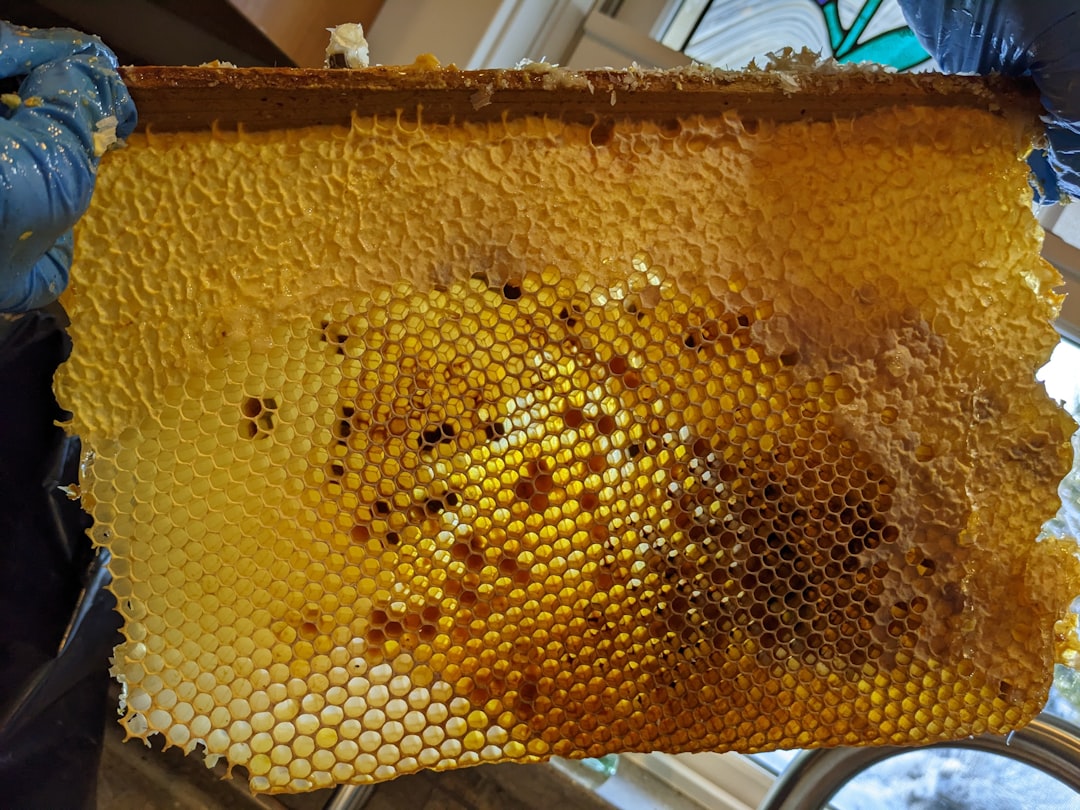
Photo by shaarimichal on Unsplash
This guide walks through what each disease is, how to tell them apart, how to confirm your diagnosis, and what your options are once you know what you’re dealing with.
Health Warning: Both AFB and EFB are notifiable diseases in many US states and countries. If you suspect AFB in particular, contact your state apiarist or local extension service before taking action. Destroying or moving infected hives without proper reporting may be illegal in your area and can spread disease to neighboring apiaries.
What Is American Foulbrood?
American foulbrood is caused by the spore-forming bacterium Paenibacillus larvae. It infects larvae shortly after hatching, multiplying inside the larva and killing it, usually after the cell has been capped. The infected larva breaks down into a brown, sticky, foul-smelling mass that eventually dries into a hard, dark scale inside the cell.
The name is misleading - AFB is not native to America and is found on every continent where honey bees are kept. “American” refers to where the disease was first formally described.
What makes AFB particularly dangerous is the spore. P. larvae produces spores that remain viable for decades - in old comb, in honey, in hive woodware. A single infected colony can contain billions of spores. Bees robbing a weak AFB hive will carry those spores back to healthy colonies. Used comb or equipment that was never properly decontaminated is one of the most common transmission routes. In our experience reviewing older equipment from estate sales or swaps, we have found visually suspicious comb that turned out to be AFB-positive on testing, even in woodware that had clearly sat unused for years.
Because the spores are so persistent and there is no cure that eliminates the spores from comb or wood, AFB-infected equipment is typically burned or treated with gamma irradiation (where available) in commercial settings.
What AFB Looks Like
The classic signs of AFB:
- Sunken, perforated cappings. Cell caps over infected larvae become concave rather than convex, and may have small holes where bees tried to remove the dead larva.
- Brown to dark brown discoloration. Healthy larvae are pearly white. AFB-infected larvae turn yellow, then brown, then dark brown as the disease progresses.
- Ropiness test. Insert a matchstick or thin twig into a suspect cell and pull it slowly out. AFB-infected larvae will stretch into a brown, stringy thread 1-3 cm long before breaking. This is the most reliable field test.
- Distinctive foul odor. Advanced AFB has a sharp, unpleasant smell often described as rotting wood glue or decaying flesh. Not every AFB case smells strongly, but when the smell is present it is distinctive.
- Dried scale. At the final stage, the brown mass dries into a hard, dark scale on the lower side of the cell wall. This scale is nearly impossible to remove and remains spore-laden.
What Is European Foulbrood?
European foulbrood is caused by the bacterium Melissococcus plutonius. Unlike AFB, EFB typically kills larvae before they are capped, so most of the visible damage appears in open cells. The larvae die curled in an abnormal position, often twisted or melted against the cell wall. The color is a streaky yellow to brown, sometimes with a sour or slightly sour-vinegar smell rather than the sharper, fouler odor of AFB.
EFB is opportunistic. Colonies under nutritional stress, with high Varroa loads, or experiencing a break in the nectar flow are most vulnerable. A healthy, well-nourished colony can often suppress a mild EFB infection on its own when conditions improve - which is one reason it’s considered less severe than AFB.
EFB does not produce persistent spores the way AFB does, which means contaminated comb is not the same long-term liability. Equipment from an EFB hive can often be reused after cleaning, though scorching or replacing old comb is still advisable.
What EFB Looks Like
The classic signs of EFB:
- Dead larvae in uncapped cells. The most obvious distinction from AFB - EFB kills larvae before capping in most cases.
- Twisted, melted appearance. Infected larvae die in abnormal positions, often slumped against or twisted along the cell wall. Healthy larvae sit upright in a C-curl in the center of the cell.
- Color progression from yellow to brown. EFB larvae yellow first, often with a slightly mottled or streaked look, before turning darker brown.
- Sour odor. The smell of EFB is often described as sour or slightly vinegary, less intense than AFB.
- Patchy brood. Like AFB, EFB creates a scattered, irregular brood pattern as bees remove dead larvae and the queen attempts to re-lay.
- Ropiness test is negative. Pull a matchstick through an EFB-infected larva and it will not stretch into a thread. This is the fastest way to rule out AFB in the field.
AFB vs. EFB: Key Differences at a Glance
| Feature | American Foulbrood (AFB) | European Foulbrood (EFB) |
|---|---|---|
| Causative agent | Paenibacillus larvae (spore-forming) | Melissococcus plutonius (no persistent spores) |
| Stage affected | Larvae after capping | Larvae before capping (usually) |
| Cell appearance | Sunken, perforated cappings | Open, uncapped cells |
| Larval color | Brown to dark brown | Yellow to brown, streaked |
| Ropiness test | Positive (1-3 cm thread) | Negative |
| Odor | Sharp, foul (rotting glue) | Sour, vinegary (milder) |
| Dried scale | Yes - hard, dark, adheres to cell wall | Rarely; if present, rubbery not hard |
| Spore persistence | Decades in comb, honey, wood | No persistent spores |
| Regulatory status | Notifiable in most jurisdictions; burning often required | Reportable but less severe; management options exist |
| Spontaneous recovery | No | Possible in mild cases with strong colony |
| Primary treatment | Destruction or gamma irradiation of infected equipment | Oxytetracycline (where legal); improve colony conditions |
How to Test for Foulbrood
Field identification gets you most of the way there, but a lab test is the only way to confirm. Given the legal and financial consequences of an AFB diagnosis, confirming before burning equipment is worth the effort.
The Ropiness Test (Field)
The ropiness test is fast and free. Take a clean matchstick, thin nail, or twig and push it gently into a suspect cell containing a dead or dying larva. Slowly withdraw the stick while watching carefully. If the material stretches into a thin, elastic brown thread of 1-3 cm before snapping, AFB is the likely cause. If the material is gooey but does not thread, EFB or another cause is more likely.
This test is most reliable on cells where the larvae have partially liquefied but have not yet dried to a scale. On very early-stage or very late-stage AFB, the ropiness can be less pronounced. When in doubt, move to lab testing.
The BeeVital Lateral Flow Test (Field)
A lateral flow assay specifically for AFB is available through some beekeeping suppliers. Similar in concept to a home pregnancy test, it provides a positive or negative result from a sample of suspect brood within 10-15 minutes. These tests have good sensitivity for active AFB infections and are a useful tool when you need a rapid answer before contacting your state apiarist. They are not a substitute for official diagnosis but can inform your next steps.
Lab Testing
Submit a sample of infected comb - about a 4x4 inch section containing suspect cells - to your state apiary laboratory, a university extension diagnostic lab, or the USDA Beltsville Bee Lab. The USDA Agricultural Research Service provides bee disease diagnostics and information resources for beekeepers and state programs. Most state apiarists can arrange testing at low or no cost when there is a genuine disease concern.
Wrap the comb sample in paper (not plastic, which promotes mold) and ship it the same day you take it. Include your name, location, and contact details so the lab can follow up.
Treatment and Management Options
American Foulbrood
There is no treatment that cures AFB or eliminates spores from comb and equipment. Management is about stopping the spread and removing contaminated material.
In most US states and many countries, AFB is a reportable disease. Contact your state apiarist before destroying equipment. Some states require official inspection before any action is taken. Moving or selling equipment from a known AFB hive without reporting may carry legal penalties.
The standard approach for a confirmed AFB hive:
- Do not move equipment to other locations before reporting and before decontamination.
- Kill the adult bee population (typically with soapy water in the hive or by sealing and burying) to prevent robbing from nearby colonies.
- Burn infected comb, frames, and wooden components in a burn pit, or arrange for gamma irradiation if available commercially in your area. Irradiation can decontaminate woodware and frames; burning is more practical for most hobbyists.
- Metal parts can be scorched with a propane torch until the wood is charred.
- Document the hive and report to your state apiary inspector.
Oxytetracycline (Terramycin) and tylosin (Tylan) have been used historically to suppress AFB and are still legal for AFB control in the US, but require a Veterinary Feed Directive (VFD) from a licensed veterinarian since 2017. These antibiotics suppress the vegetative form of P. larvae and can reduce clinical signs, but they do not kill the spores. A colony treated with oxytetracycline may appear healthy but remain a spore reservoir. For this reason, many experienced beekeepers and state apiarists consider burning the more reliable long-term solution.
Mann Lake carries a dedicated line of foulbrood medications and hive treatments for beekeepers navigating treatment options.
European Foulbrood
EFB management is generally more flexible. Options include:
Improve colony conditions first. EFB often reflects an underlying stress. Assess the colony for Varroa mite load (a high mite load weakens adult bees and their ability to care for brood), nutritional deficiency (supplement feeding with pollen patties if natural forage is scarce), and queen health. A colony that eliminates the stress factor often clears a mild EFB infection without further intervention.
Re-queening. Replacing the queen with a new mated queen from a hygienic line gives the colony a population reset. Hygienic bees are more efficient at detecting and removing diseased larvae, which reduces the infection load even without direct treatment.
Oxytetracycline (Terramycin). For moderate to severe EFB, oxytetracycline applied as an extender patty or dusted on frames (following label directions and VFD requirements) can significantly reduce infection levels. Treatment should be timed outside of active nectar flow to avoid antibiotic residue in honey. As with AFB, a VFD from a veterinarian is required in the US.
Shook swarm. A shook swarm - transferring all the adult bees onto fresh foundation and destroying the existing brood comb - removes the infected material entirely. This is disruptive but effective, and it forces the colony to draw new comb while eliminating the larval-stage infection reservoir.
In our experience working with colonies under EFB pressure, addressing Varroa first is usually the most productive starting point. Colonies with low mite loads and adequate food often bounce back from EFB on their own within a few weeks of the stress being removed.
Common Mistakes and Misidentification
Diagnosing chalkbrood as foulbrood. Chalkbrood (caused by the fungus Ascosphaera apis) produces dried, chalky white to gray-black mummies in cells. These have no odor and no ropiness. Chalkbrood is common but much less serious than either foulbrood. If you see dried, chalky pellets rather than brown, smelly material, you likely have chalkbrood, not foulbrood.
Confusing sacbrood with AFB. Sacbrood (caused by a virus) kills larvae after capping and produces a yellowish-brown, sac-shaped larva. The ropiness test is negative. The dried scale is lighter in color and not as tightly adherent as AFB scale. Sacbrood typically resolves on its own without intervention.
Running the ropiness test on the wrong stage. The test works best on larvae that are in the active liquefying stage. Very fresh infections and fully dried scales will not thread well. If you’re uncertain, submit a sample to a lab before destroying equipment.
Moving equipment before reporting. This is how AFB spreads. If you suspect AFB and you move frames, supers, or tools between hives before confirming the diagnosis, you risk spreading the disease to your other colonies. Contain the hive, test, and report before any equipment moves.
Assuming recovery means the disease is gone. A colony that clinically recovers from AFB after antibiotic treatment still harbors spores. It can reactivate under stress. Selling bees or equipment from a previously AFB-positive hive without full disclosure and decontamination is how disease spreads between apiaries.
Delaying action on EFB. Because EFB can resolve on its own, beekeepers sometimes watch and wait too long. If you’ve identified EFB and the infection is spreading or worsening over two consecutive inspections, don’t continue waiting - act.
Knowing how to read your brood frames accurately is the foundation for any disease diagnosis. Our guide on how to read brood patterns and spot problems early covers the full range of normal and abnormal comb appearances in detail.
Frequently Asked Questions
Can I treat AFB with antibiotics and keep the hive?
Technically yes, with a VFD for oxytetracycline or tylosin - but with important caveats. Antibiotics suppress the vegetative form of P. larvae and can reduce visible symptoms, but they do not eliminate spores from the comb. A treated colony can remain a spore reservoir that reinfects at any time under stress. Many experienced beekeepers and state programs consider burning contaminated equipment the only reliable long-term solution. If you choose the antibiotic route, replace all old comb, monitor closely, and keep the treated hive isolated from other colonies.
Is EFB contagious to other hives in my apiary?
Yes, EFB can spread between hives via robbing, drifting bees, or shared equipment. If you have a confirmed EFB hive, avoid moving frames from it to healthy hives, reduce robbing opportunities by tightening entrances, and inspect other hives in the apiary for early signs. EFB is less explosively contagious than AFB but should not be treated as fully contained until the infected colony has recovered.
What does the foulbrood smell test actually smell like?
AFB has a sharp, distinctive odor often described as rotting wood glue, stinky wet leather, or overripe, decaying fruit. It is unpleasant and somewhat chemical in character - not the earthy or slightly sour smell of a healthy hive. EFB smells sour or slightly vinegary - closer to spoiled food. Most beekeepers who have smelled active AFB once describe it as immediately recognizable on future inspections. If you open a hive and the smell hits you before you’ve pulled a frame, that is a significant warning sign.
Do I need to report suspected foulbrood even if I’m not sure?
Reporting requirements vary by state and country. In most US states, confirmed or suspected AFB must be reported to the state apiarist or department of agriculture. Reporting a suspicion rather than waiting for certainty is almost always the right call - state apiarists are generally helpful, not punitive, and their role is to help you manage the disease correctly. Check your state’s department of agriculture website for the specific requirement where you keep bees.
Can healthy bees catch foulbrood from a robbed-out infected hive?
Yes, and this is one of the primary transmission routes for AFB. When a colony dies from AFB, robber bees from nearby hives will often clean out the honey stores. In the process, they pick up and carry spores back to their home hive. A single robbing event can introduce enough spores to start an AFB cycle in a healthy colony. If you find a feral colony or neighboring hive suspected of AFB, act quickly to secure the site before robbing begins.
Recommended Products
Storey’s Guide to Keeping Honey Bees - A comprehensive reference for hobbyist beekeepers with solid coverage of disease identification and management. Well-organized and written at a practical level.
The Beekeeper’s Handbook - The standard academic-practical reference for serious hobbyists, with detailed chapters on brood diseases, disease biology, and diagnosis. Worth having on the shelf when you need to go deeper than a blog post.
Honey Bee Pests, Predators, and Diseases - The most thorough reference available on bee pathology, written for beekeepers and researchers. If you want to understand the microbiology and epidemiology behind foulbrood rather than just the identification checklist, this is the book.
For medications and treatment supplies, Mann Lake’s foulbrood medications section carries oxytetracycline formulations and related hive health products. Dadant’s hive health resources include guidance on integrated disease management as part of a broader hive health program.
If you spotted unusual brood during an inspection and found this post useful, bookmark it as a reference for future inspections. Our guide on how to identify common bee diseases covers the full spectrum of brood and adult bee conditions you may encounter, with foulbrood in context alongside Varroa, Nosema, and other issues.
Related reading: How to Read Brood Patterns and Spot Problems Early