Best Beekeeping Suits and Protective Gear Reviewed
This post contains affiliate links. As an Amazon Associate, I earn from qualifying purchases at no extra cost to you.
Your protective gear is the first decision you make as a beekeeper, and it affects every inspection you do. The wrong suit makes you nervous, nervous beekeepers move jerkily, and jerky movement provokes bees. The right gear lets you slow down, breathe, and actually observe what is happening inside the hive.
In our experience working hives across several seasons, gear confidence matters almost as much as technique. A beginner in a solid full suit will outperform an experienced beekeeper in a threadbare jacket every time.
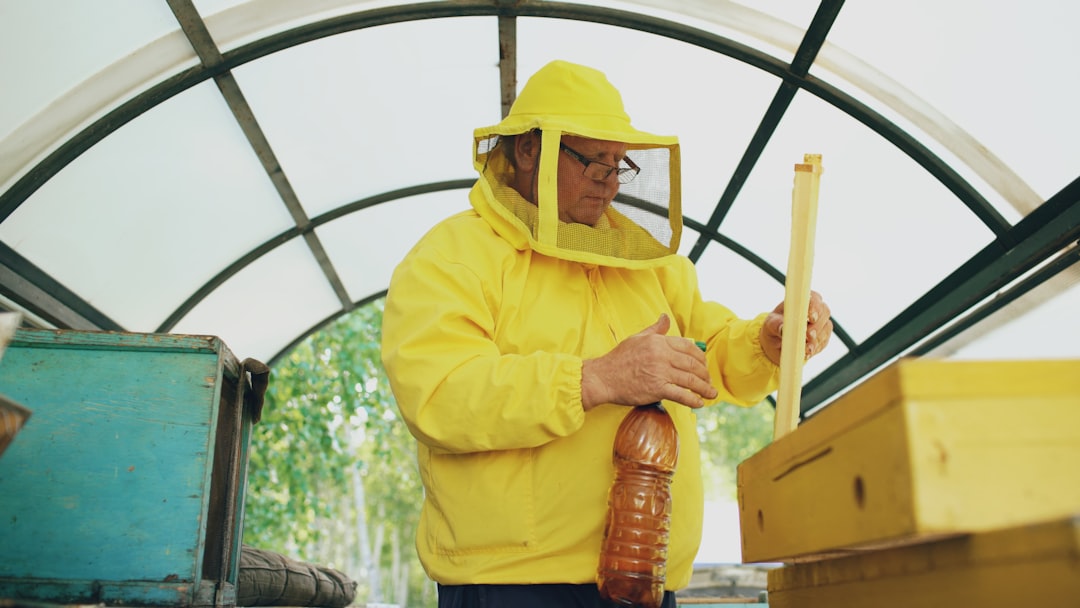
Photo by Vitaly Gariev on Unsplash
Safety note: Even with protective gear, bee stings happen. If you or anyone in your household has a known bee venom allergy, consult a physician before beekeeping and keep an epinephrine auto-injector (EpiPen) on-site at all times. Anaphylaxis can be life-threatening and requires emergency medical attention.
Why Beekeeping Protective Gear Matters
Most beginner beekeeping accidents come from two sources: going into the hive with inadequate protection, or going in without protection at all because the beekeeper thought “they seemed calm today.” Bees do have calmer and more defensive moods, but that mood can shift with weather, time of day, recent disturbance, or the season. Relying on the colony’s disposition instead of your equipment is a gamble that does not pay off.
Good protective gear solves several problems at once. It creates a physical barrier that stops stingers before they reach skin. It provides psychological confidence that lets you move more slowly and deliberately. It also reduces the amount of alarm pheromone your body picks up during an inspection, because the suit catches most stings that would otherwise pump venom directly onto you and escalate the colony’s defensive response.
Beyond sting prevention, quality gear extends your session time. When you are comfortable and sting-free, you can spend ten or fifteen minutes on a thorough inspection rather than rushing through because you got stung twice and are losing your nerve. That thoroughness is what lets you catch brood pattern problems, spot queen issues early, and manage your colony proactively.
The good news for hobbyist beekeepers is that quality protective gear has become much more affordable over the past decade. You do not need to spend hundreds of dollars to get solid, reliable protection. The options below represent the realistic range for backyard beekeepers who keep one to five hives.
What to Look for in a Beekeeping Suit
Not all beekeeping suits are equal, and the differences matter more than the price tag suggests. Before buying, evaluate these factors:
Veil Type
The veil is the most critical part of any beekeeping suit. There are three common styles:
Round veil / dome veil: Stands away from your face on all sides, giving you a clear field of vision with no mesh touching your skin. This is the gold standard for beginners because there is no risk of a bee stinging through mesh pressed against your cheek or forehead.
Fencing veil: A rectangular cage structure that attaches to the front of a hat or helmet. Excellent visibility and face clearance, but the rigid frame can snag on hive boxes. Very popular with experienced beekeepers for its durability and airflow.
Integrated hood: Sewn directly onto the suit jacket or body. Convenient and sting-proof when zipped correctly, but the mesh often sits closer to the face than a dome veil, which creates a small stinging risk at the contact points.
For most beginners, a round dome veil integrated into a full suit is the right call. It maximizes clearance and minimizes the variables you have to manage.
Material and Breathability
Most suits use one of three materials:
Ventilated mesh: Multiple layers of coarse mesh that flex to prevent stingers from reaching skin. Dramatically cooler in summer, but more expensive. Best for beekeepers in hot climates or those who run many hives in warm months.
Cotton/poly blend: The standard for most budget and mid-range suits. Durable, washable, and sting-resistant when properly fitted. Can be uncomfortably warm in midsummer.
Ultra-breeze style (multi-layer foam and mesh): Premium option used in professional-grade suits. Excellent ventilation, higher price point. Overkill for a hobbyist with two or three hives.
For a backyard beekeeper with a few hives, a well-fitted cotton/poly suit is entirely adequate. Save the ventilated mesh for when you are running multiple inspections per week or keeping hives in a particularly hot region.
Fit and Elastication
A suit that bunches at the wrists or ankles is a suit that will let bees in. Look for:
- Elastic or velcro at wrists and ankles to seal against gloves and boots
- Enough room across the chest and back to allow bending without straining seams
- A zipper that runs fully over the veil attachment, not just to the chin
Try on the suit over your normal beekeeping clothes. You will often wear a long-sleeve shirt underneath, so size up if you are between sizes.
Full Suit vs. Jacket vs. Veil Only: Which Protection Level Do You Need?
This is the question most beginners ask first, and the answer depends on your hive’s temperament, your confidence level, and how long you plan to be in the hive.
| Protection Level | Best For | Drawbacks |
|---|---|---|
| Full suit | Beginners, defensive hives, long inspections | Warmest option, takes longer to put on |
| Jacket with veil | Experienced beekeepers, quick checks | Legs and feet exposed |
| Veil only | Very calm hives, experienced beekeepers | High risk for most hobbyists |
| No protection | Experienced beekeepers in calm conditions | Not recommended for beginners |
Our recommendation for beginners: Start with a full suit. The cost difference between a jacket and a full suit is rarely more than $20-40 at the entry level, and the additional protection across your legs and feet is worth every penny during your first few seasons. As you get more experience and learn your specific colony’s temperament, you can decide whether to move to a jacket for routine checks.
We have tested both jackets and full suits across different hive temperaments. On a calm hive, the jacket is plenty. On a defensive hive during a nectar dearth, even the full suit felt inadequate and we were glad we were wearing it. A jacket would have meant stings to the thighs within minutes.
Beekeeping Gloves Compared: Goatskin, Rubber, and Nitrile
Gloves are the second most important piece of protective gear and also the most debated. There are three main options:
Goatskin Leather Gloves
The traditional choice and still the best sting protection available. Goatskin is thin enough to maintain reasonable dexterity while being thick enough that stingers rarely penetrate. The extended cuff covers your wrist and lower arm.
Pros: Maximum sting protection, durable, last multiple seasons with care. Cons: Reduced tactile sensitivity, harder to manipulate frames with precision, can accumulate alarm pheromone over time.
Rubber Beekeeping Gloves
A mid-range option that many commercial beekeepers use. Better dexterity than goatskin, easy to wash between hives, and bees rarely sting through them.
Pros: Easy to clean, affordable, decent protection. Cons: Not breathable, hands sweat quickly in warm weather, venom can occasionally penetrate thin spots.
Nitrile or Latex Disposable Gloves
Some experienced beekeepers use nitrile gloves for quick inspections on calm hives. The tactile feedback is excellent, but protection is minimal.
Pros: Maximum dexterity, cheap, single-use reduces pheromone buildup. Cons: Stings go right through. Not suitable for defensive hives or beginners.
Our verdict: Start with goatskin leather gloves with a long cuff. Accept the reduced dexterity as a trade for confidence. As you gain experience and your colony knowledge deepens, you can experiment with lighter options on your calmest inspection days.
Best Beekeeping Suits Reviewed
Here are three well-regarded options across different price and style points. All links use our Amazon affiliate tag so we earn a small commission if you purchase, at no extra cost to you.
Deuovht Professional Beekeeping Suit with Veil and Gloves
A well-rounded full suit that comes bundled with gloves and a round dome veil. The integrated veil provides good face clearance and the elastic cuffs seal reliably at wrists and ankles. For a first suit, the all-in-one bundle is convenient because it removes the guesswork of pairing separate components.
REAMTOP Professional Beekeeping Suit
The REAMTOP full body suit offers a generous cut that works well for beekeepers who need room for layers underneath during cool-weather inspections. The jacket and pants attach with a drawstring waist seal, and the fencing-style veil gives good visibility with solid face clearance. A solid choice if you run your hives in a cooler climate or want extra room to layer up in spring and fall.
Forest Beekeeping Supply Bee Suit with Goatskin Gloves and Fencing Veil
This set pairs a full cotton suit with a fencing veil and genuine goatskin gloves, making it one of the better complete kits at its price point. The goatskin gloves alone justify much of the price. If you want to avoid buying gloves separately, this bundle gets you everything you need for a first-season setup.
For a wider selection of protective gear and suits, both Mann Lake and Dadant carry extensive protective gear lines that are worth browsing, particularly if you want to see ventilated mesh options not widely stocked on Amazon.
For context on current safety standards and best practices, the Penn State Extension beekeeping program maintains well-researched guidance on protective equipment and hive management.
How to Care for and Maintain Your Beekeeping Gear
Proper care extends the life of your suit and, more importantly, reduces the alarm pheromone load that builds up on gear over time. Bees react defensively to the banana-like smell of isopentyl acetate (the primary alarm pheromone), and a suit that has accumulated weeks of sting residue will provoke your colony faster than a clean one.
Washing: Most cotton and poly-blend suits are machine washable on a gentle cycle with cold water and a small amount of unscented detergent. Do not use fabric softener, which can reduce the weave tightness over time. Wash after every two to three inspections, or immediately after any session where you took significant stings.
Veil care: Hand wash the mesh veil separately with mild soap and warm water. Never machine-dry the mesh, as heat degrades the fine weave that keeps stingers out. Lay flat or hang to dry.
Glove care: Goatskin gloves should be wiped clean with a damp cloth after each use and allowed to air dry fully before storage. Never store damp leather, as it molds and stiffens. Occasional conditioning with a small amount of leather conditioner keeps the goatskin supple and extends its life.
Inspection: Check seams, zipper teeth, and veil mesh before every inspection season. A split seam at the wrist or a small hole in the veil mesh are easy to repair with a needle and thread before the season, and catastrophic to discover mid-inspection.
Storage: Store your suit clean, fully dry, and hung or folded loosely. Avoid plastic bags, which trap moisture. Cedar blocks in the storage area discourage moths without leaving a scent residue that might affect your bees.
Common Mistakes Beginners Make with Protective Gear
1. Not sealing the wrists and ankles. Bees walk along seams looking for openings. An unsealed wrist is a direct path up your arm. Always check that your glove cuffs fully overlap your suit sleeve before entering the hive.
2. Wearing floral perfume or strong-scented products. Bees are attracted to floral scents and may investigate more aggressively. Skip cologne, scented lotion, and scented sunscreen on inspection days.
3. Skimping on veils to save money. A $10 veil purchased separately is often poorly fitted and sits against the face in spots. A sting to the face, especially near the eye, is disproportionately painful and potentially dangerous. Do not cut corners on the veil.
4. Going in without gear “just for a quick look.” There is no such thing as a sting-free quick look on an unpredictable day. Getting suited up takes three minutes. A sting to the eyelid takes three days to heal.
5. Not washing gear between inspections. As mentioned above, alarm pheromone accumulates on gear. Beekeepers sometimes blame their bees for becoming “more defensive” when the real problem is that they are showing up to the hive wearing a suit that smells like a threat. Wash regularly.
6. Buying gear that is too large. An oversize suit creates loose folds where bees can gather and sting through the bunched fabric. Err toward your correct size rather than oversizing.
When you are ready to open the hive, having the right smoker technique makes a significant difference in how your bees respond. See our guide on how to use a smoker properly for step-by-step instructions.
Frequently Asked Questions
Can bees sting through a beekeeping suit?
Through a well-fitted, properly maintained suit, sting penetration is uncommon but not impossible. Longer stingers from Africanized honey bees (rare in most of the continental US) can occasionally penetrate thin cotton-poly blends. In practice, most beginner beekeepers working European honey bee colonies will find that a standard cotton suit provides adequate protection. Ventilated mesh suits are specifically designed with multiple layers to prevent stinger penetration regardless of stinger length.
Do I need a full suit or just a jacket?
For your first one or two seasons, a full suit is strongly recommended. Jackets leave your legs exposed, and new beekeepers often underestimate how quickly a defensive colony will find those gaps. Once you have enough experience to read your colony’s mood accurately and adjust your technique accordingly, you can make an informed decision about switching to a jacket for routine inspections.
How do I know if my suit fits correctly?
Put the suit on over the clothes you plan to wear during inspections. The suit should allow you to bend at the waist and raise your arms above your head without straining seams. The wrist elastics should hold the sleeve firmly against your glove cuff with no gap when your arm is extended. The ankle elastics should sit snugly against your boots. If the veil touches your face anywhere when you tilt your head forward, the veil clearance is insufficient.
How often should I replace my beekeeping gear?
A well-maintained cotton suit used by a hobbyist beekeeper (10-20 inspections per year) can last five or more seasons before the weave begins to thin. Inspect the suit before each season for small holes, thinning fabric at high-wear areas (knees, elbows, seat), and zipper function. A veil with any holes, no matter how small, should be repaired immediately or replaced. Gloves typically last two to three seasons before goatskin softens enough that stinger penetration becomes more likely.
Can I use any regular hat with a separate veil?
You can, but fit and clearance are harder to guarantee. A veil designed to work with a specific hat or helmet will seat more securely and maintain consistent face clearance. Improvised combinations often result in the veil sitting against your face in spots, which creates sting risk at the contact points. If you go the separate-components route, buy a veil-and-hat combination sold as a matched pair rather than mixing and matching.
Related reading: Before your first inspection with new gear, read your first hive inspection: what to look for to know exactly what you should be observing once you are suited up and in the hive.
Bookmark this guide for reference when you are evaluating gear upgrades, or share it with someone just starting out in beekeeping.