Growing Bee Friendly Plants for Maximum Nectar and Pollen
This post contains affiliate links. As an Amazon Associate, I earn from qualifying purchases at no extra cost to you.
Most backyard beekeepers spend their energy on equipment, treatments, and colony management - and then leave forage entirely to chance. That’s a mistake. A colony’s honey production, brood health, and winter survival all trace back to how much high-quality nectar and pollen foragers can collect within a reasonable flight radius. If your immediate property is a lawn and a row of ornamental shrubs, your bees are flying farther, working harder, and coming back with less than they should.
You don’t need acres. A thoughtfully planted backyard of even a few hundred square feet can meaningfully supplement your colony’s diet, extend the productive forage window, and reduce stress during late-summer dearths. The key is choosing plants that actually deliver - not just plants that look like wildflowers or carry a “pollinator friendly” sticker at the garden center.
The plant selections and methods covered here reflect consistent findings from extension entomology research and documented beekeeper outcomes. You’ll find which species consistently produce the highest nectar volumes and most nutritious pollen, how to structure a planting that feeds your bees from spring through fall, and what soil and fertility conditions actually make a difference.
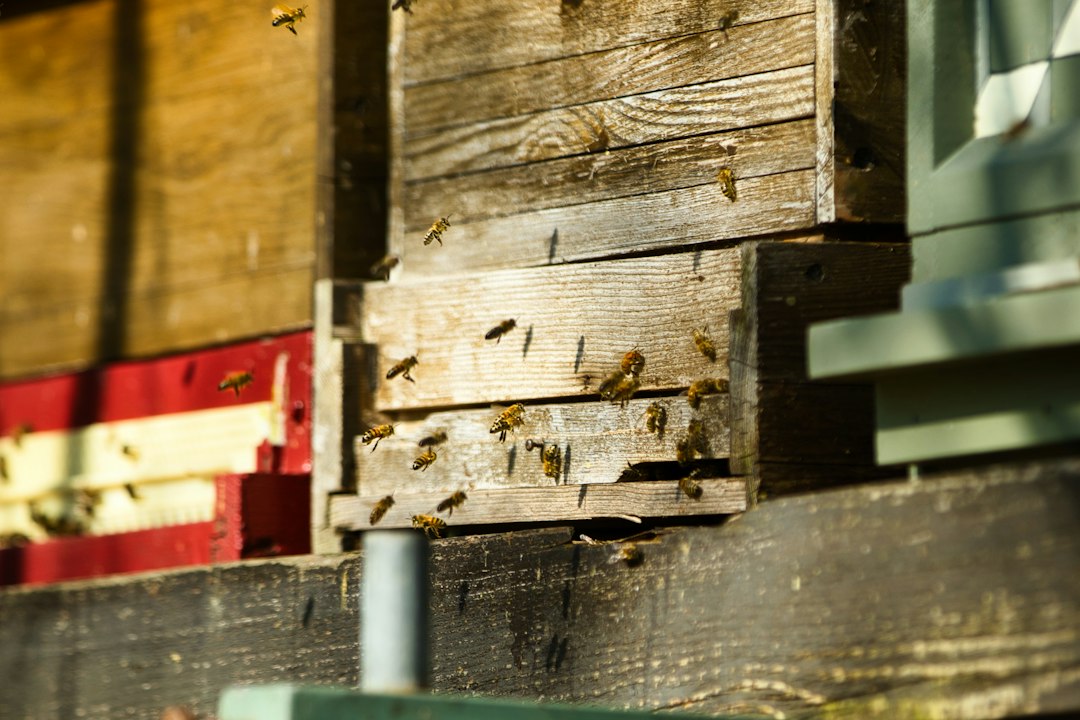
Photo by 𝕡𝕒𝕨𝕤 𝕒𝕟𝕕 𝕡𝕣𝕚𝕟𝕥𝕤 on Unsplash
The Science Behind Bee Friendly Plants and Nectar Yields
Not all flowers are equal as bee forage. A “pollinator friendly” label on a seed packet means the plant produces some accessible pollen or nectar - but it says nothing about quantity, timing, or nutritional quality. Bees need both nectar (carbohydrate energy) and pollen (protein and fat for brood rearing), and the best plants deliver both in abundance with open flower structures that bees can actually enter.
Nectar volume depends on several interacting factors: plant species genetics, ambient temperature, soil moisture, and even time of day. Research from the Xerces Society and university extension entomologists consistently identifies a handful of plant families as top producers: Lamiaceae (mints, lavender, thyme, bee balm), Asteraceae (coneflowers, asters, sunflowers), Fabaceae (clovers, vetches, black locust), and Boraginaceae (borage, phacelia). These families produce high volumes of accessible nectar and pollen with open flower structures that bees can work efficiently.
Flower form matters enormously. Hybridized double-petal cultivars - the fluffy, layered versions sold in most garden centers - often have stamens and nectaries physically blocked by extra petals. A bee cannot efficiently work them, and some double-flowered forms produce almost no accessible pollen at all. The practical rule: always look for “single” or “species type” on the label, and when in doubt, source transplants from native plant nurseries.
Pollen nutritional quality also varies significantly by species. Research from the USDA Agricultural Research Service Bee Research Laboratory indicates that pollen protein content ranges widely across plant species, from under 10% to over 30%. Phacelia, buckwheat, and legumes like clover consistently rank among the higher-protein options, making them valuable not just as nectar sources but as essential inputs for healthy brood rearing.
Choosing Bee Friendly Plants That Bloom All Season Long
The biggest forage planning error hobbyist beekeepers make is creating a strong spring flush with almost nothing following it. Colonies build population rapidly in spring and need enormous pollen and nectar through summer and into fall for winter preparation. A garden that peaks in May and dies back by July leaves your bees in a dearth precisely when they need resources most.
A well-structured planting covers three distinct windows:
Spring (March to May): Willow, dandelion, fruit tree blossoms, borage, phacelia, and Dutch white clover. Early sources are critical for stimulating brood expansion after winter. Don’t pull dandelions - they are among the earliest and most productive nectar and pollen sources available in most climates, and they cost you nothing.
Summer (June to August): Lavender, bee balm (Monarda), basil, lemon balm, coneflower (Echinacea), anise hyssop, and buckwheat. Summer is when colonies are at peak population and consumption, and this window requires your greatest planting mass. Buckwheat deserves special mention: it is fast-growing, heat-tolerant, produces nectar heavily, and can be succession-sown every three to four weeks to maintain near-continuous bloom through late summer.
Late Summer to Fall (September to October): Goldenrod, native asters, a self-seeded second flush of borage, mountain mint, and sweet alyssum. Goldenrod and native asters are arguably the two most important plants a backyard beekeeper can grow. They provide the critical late-season flow that bees use to top off winter stores. Without strong fall forage, many keepers end up supplementing with sugar syrup - which works, but isn’t honey.
For the hive management side of this timing, the Seasonal Beekeeping Calendar Month By Month Tasks maps these forage windows directly to hive inspections and treatments, making it easier to coordinate your planting schedule with your apiary work.
Top Bee Friendly Plants by Nectar Value: A Comparison Guide
The table below gives a practical overview of high-value plants organized by season, relative nectar output, and ease of establishment. Nectar value ratings reflect documented production characteristics from entomology extension literature. Ease of establishment reflects typical success for home gardeners without specialized equipment.
| Plant | Season | Nectar Value | Pollen Value | Ease | Notes |
|---|---|---|---|---|---|
| Dutch White Clover | Spring-Fall | Very High | High | Easy | Self-seeds; mow high to preserve blooms |
| Phacelia | Spring | Very High | High | Easy | Fast germination; annual |
| Borage | Spring-Fall | High | Moderate | Easy | Self-seeds aggressively; allow it |
| Anise Hyssop | Summer | Very High | Moderate | Easy | Native perennial; deer resistant |
| Lavender | Summer | High | Moderate | Moderate | Needs drainage; very long-lived |
| Buckwheat | Summer | High | High | Easy | Annual; succession sow every 3-4 weeks |
| Bee Balm (Monarda) | Summer | High | Moderate | Easy | Spreads; use single-flowered varieties |
| Coneflower (Echinacea) | Summer | Moderate | Very High | Easy | Outstanding pollen source |
| Mountain Mint | Summer-Fall | Very High | Moderate | Easy | Aggressive spreader; absolutely worth growing |
| Goldenrod | Fall | Very High | High | Easy | Native; the single best fall source |
| Native Asters | Fall | High | High | Easy | Late bloom; critical for winter stores |
| Sunflower | Summer | Moderate | Very High | Easy | Single-headed varieties only |
The main tradeoff when selecting species is between annual abundance and perennial longevity. Annuals like phacelia and buckwheat produce heavily in their first and only season and can be succession-sown to extend the bloom window, but they require reseeding each year. Perennials like anise hyssop, goldenrod, and mountain mint require patience - year one can be underwhelming - but by year two or three they deliver far more forage per square foot than any annual.
For establishing a diverse mix quickly, the Mountain Valley Seed Co Wildflower Seed is a bee-friendly wildflower blend with 80,000+ seeds per pack. Seeded into prepared bare ground in fall or early spring, it delivers a meaningful first-year bloom without the effort of sourcing and planting individual species separately.
Soil Preparation and Fertility for Productive Bee Forage
Healthy plants produce more nectar. That relationship is well-documented in horticultural research: plants under nutrient stress or water stress downregulate nectar secretion. Getting soil conditions right is not a secondary step - it directly determines whether your forage planting performs or underdelivers.
The practical good news is that most native wildflowers and herbs prefer lean, well-drained soils with moderate organic matter. They do not need heavily amended, high-fertility garden soil. Clovers and vetches fix their own nitrogen from the atmosphere. Lavender and phacelia will rot in waterlogged conditions. For container plantings, raised beds, or areas where native soil is compacted clay or sterile fill, a quality potting medium that balances drainage and moisture retention makes a genuine difference. The FoxFarm Happy Frog Potting Soil is a quality potting mix - particularly useful for starting transplants of lavender, anise hyssop, or coneflower in containers before moving them to garden beds in fall.
For established perennial plantings, a light top-dressing of organic granular fertilizer in early spring promotes robust bloom without pushing excessive vegetative growth. High-nitrogen fertilizers make lush foliage but fewer flowers - the opposite of what you need in a forage garden. The Espoma Flower-Tone Fertilizer is a natural and organic granular formula designed specifically for flowering plants and abundant blooms. Worked into the soil surface around established perennials as growth resumes in spring, it supports flower production over vegetative growth.
For wildflower patches seeded directly into native ground, skip the fertilizer entirely. Adding fertility to these plantings encourages aggressive weedy growth that outcompetes the wildflowers you’re trying to establish.
How to Plant a Bee Forage Garden Step by Step
Getting from “I should plant more for my bees” to a functioning forage garden doesn’t require landscape design knowledge. A structured approach prevents the most common failures: seeding into unprepared ground, planting without accounting for bloom gaps, and overcomplicating species selection before you’ve started.
-
Map your available space and sun exposure. Most high-value bee plants need at least six hours of direct sun per day. Walk your property in late morning and identify which areas consistently meet this threshold. Even a 10-by-10-foot sunny patch can support a meaningful planting.
-
Identify your forage gaps. Look honestly at what is currently blooming on your property in late July, in August, and in September. Most yards have a strong spring flush followed by little or nothing. Fill those windows first - they matter most for summer colony health and winter preparation.
-
Select four to six species that cover your gaps. You don’t need a 30-species mix to start. Choose one reliable spring source (phacelia or borage), two summer workhorses (anise hyssop plus buckwheat or lavender), and one fall anchor (goldenrod or native asters). If you have any thin lawn areas, overseed them with Dutch white clover - low effort, very high return.
-
Prepare the seed bed or planting area. For direct-seeded wildflowers, rake the surface to expose bare mineral soil. Wildflower seeds need direct soil contact to germinate; a thick layer of mulch will suppress them. Remove visible weed competition before sowing. For transplants in heavy clay, work in compost or quality potting mix to improve drainage.
-
Sow or plant at the right time. Most wildflower seeds germinate best when sown in fall for spring emergence, or in early spring for summer bloom. Perennials transplanted in fall develop root systems before winter and return stronger in year two. For small seeds like phacelia and borage, light surface pressure into the soil is all the planting they require.
-
Maintain with a light touch. Water new plantings through establishment - roughly the first four to six weeks for annuals, one full season for perennials. After establishment, most high-value bee plants are drought-tolerant. Deadhead selectively to extend bloom, but leave seed heads on goldenrod, coneflower, and asters through fall to support late-season foraging.
-
Succession sow annuals through the summer. Buckwheat, phacelia, and borage can all be direct-sown every three to four weeks from late spring through midsummer to maintain near-continuous bloom. A succession-sown patch of 20 to 30 square feet produces forage across the entire summer without significant effort once you have the rhythm.
The companion planting strategies covered in Pollinator Friendly Garden Bees add context on integrating these forage species with vegetable and herb garden layouts if you want your plantings to serve double duty.
Common Mistakes to Avoid When Growing Plants for Bees
Even well-intentioned forage plantings fail, and the causes are predictable. Catching these errors before you plant saves a full wasted season.
Buying hybridized double-flowered varieties. Garden centers stock plants by their showiest cultivar - the pom-pom coneflower, the peony-form sunflower, the double-petaled lavender hybrid. These look impressive in a pot but often deliver little or nothing to bees. Extra petals physically obstruct nectaries and anthers, blocking access entirely in many cases. Always look for “single” or “species type” on the label, or source transplants from native plant nurseries that prioritize ecological function over ornamental appearance.
Creating a single-species monoculture. A large mass of a single blooming species isn’t a fatal error, but it creates feast-or-famine forage. When that species finishes blooming, available forage drops to zero overnight. Mix species that bloom in sequence. Even within a single raised bed, staggering bloom by three to four weeks keeps something accessible across the season and reduces the stress of abrupt forage drops.
Using systemic pesticides on or near bee forage. Neonicotinoid-treated nursery stock - still common in mass-market garden centers - carries residues in pollen and nectar that persist throughout the plant’s entire life. Ask whether transplants were treated before purchase, or grow exclusively from untreated seed. Never apply any systemic insecticide to flowering plants regardless of the target pest. Your local cooperative extension office can advise on integrated pest management approaches compatible with nearby beehives.
Ignoring the midsummer dearth. The dearth window - typically late July through August across most of North America - is when many forage gardens run dry. Colonies under pressure fly farther, consume stores faster, and become prone to robbing behavior. Buckwheat, anise hyssop, and mountain mint are specifically valuable because they bloom reliably during this window. Include at least two of them in any serious forage planting.
Expecting first-year results from perennials. High-value perennials like goldenrod, mountain mint, anise hyssop, and native asters are often underwhelming the first summer. Year one is root establishment; year two is when you see real bloom mass. Plant them early and resist pulling them if initial flowering seems modest. The long-term return on a well-sited perennial far exceeds any annual.
Placing dense plantings directly at hive entrances. Bees navigate by landmarks and need clear flight lines from entrances. Dense tall plantings immediately in front of hive openings can cause orientation confusion, particularly for young bees making their first orientation flights. Position forage plantings behind or beside hives, and maintain several feet of open approach to each hive entrance.
Frequently Asked Questions About Bee Friendly Plants
How many plants do I actually need to make a measurable difference for my hives?
A practical benchmark is 200 to 400 square feet of dedicated high-value planting - species like clover, anise hyssop, goldenrod, and buckwheat - to make a real contribution. A strong colony forages across a two-to-three-mile radius, so your backyard isn’t the only source in play. But reducing how far your bees must fly, especially during dearths, conserves energy and translates to better honey production and stronger overwintering outcomes. Even 50 square feet of well-chosen species during a late-summer dearth outperforms 500 square feet of turf grass. Focus first on plugging your bloom gaps before worrying about maximizing total planted area.
Can I grow effective bee forage in containers or small raised beds?
Yes, and several high-value species work well in containers. Lavender, borage, basil, thyme, and compact varieties of anise hyssop all thrive in pots with adequate drainage. Container growing limits root volume and water retention, so these plants need more consistent watering and benefit from a quality potting medium. Cluster multiple containers together to create a more visible foraging patch that bees can locate easily. Avoid oversized decorative pots with poor drainage - lavender and thyme will not tolerate wet roots for any extended period, and root rot is the most common container failure with Mediterranean herbs.
Are there plants I should actively avoid growing near beehives?
The clearest practical caution is avoiding anything that requires frequent pesticide treatment, since the chemical risk to foragers outweighs any forage benefit. Rhododendrons and azaleas produce nectar containing grayanotoxin, which is toxic to bees in concentrated doses and can cause illness in humans who consume honey from heavily affected colonies - this is primarily a concern in landscapes where these plants dominate rather than a minor garden presence. Dense tall plantings placed directly in front of hive entrances can impede bee navigation regardless of species. Otherwise, the concern about specific plants “bothering” bees near hives is generally overstated.
What is the single best bee forage plant to add this season?
Anise hyssop (Agastache foeniculum) is the strongest single recommendation for most North American climates. It is a native perennial that blooms reliably from July through the first hard frost, covering the critical midsummer dearth window when most other forage plants have finished. It produces abundant, accessible nectar, establishes readily from transplants in its first summer, and grows progressively more productive each year. It tolerates heat, resists deer browsing, and self-seeds gently without becoming invasive. An established clump in year two or three becomes one of the most heavily visited plants in any pollinator garden. Plant in full sun with reasonable drainage and it will largely take care of itself.
Conclusion: Strategic Planting Beats More Plants Every Time
The most productive bee forage gardens aren’t the biggest - they’re the most strategically timed. Identify where your bloom calendar has gaps, fill those windows with proven high-nectar species, and give those plants the soil conditions they need to perform. A handful of well-placed perennials plus a summer succession of buckwheat or borage will outperform a random scatter of ornamental flowers every single year.
The return is real: colonies with reliable nearby forage produce more honey, raise healthier brood, and arrive at winter with stronger stores. Start this fall by planting goldenrod and native asters to establish your forage foundation, then build the spring and summer layers from there. You’ll see the difference in colony strength come your first spring assessment.
Found this useful? Bookmark this page and check back as we add regional plant lists and sourcing recommendations for specific climates.
Related Reading: