Pollen and Protein Feeding Strategies for Year-Round Colony Development
This post contains affiliate links. As an Amazon Associate, I earn from qualifying purchases at no extra cost to you.
Nectar gets all the attention in beekeeping circles, but protein is what actually builds a colony. Without adequate pollen or a reliable substitute, brood rearing stalls, nurse bees become nutritionally depleted, and the colony enters winter as a shadow of what it should be. That is not a dramatic scenario - it is a predictable outcome for any colony that runs short of dietary protein during critical growth windows.
The challenge is that natural pollen availability rarely lines up neatly with colony need. Spring build-up happens before most forage blooms. Summer dearth cuts nutrition mid-season. Fall is short. Winter offers nothing. Supplemental protein feeding fills those gaps, but only when you understand when to feed, what to feed, and how much to give without creating problems of its own.
This guide covers the full protein feeding calendar, the practical differences between pollen patties and dry substitutes, how to pair protein supplementation with liquid feeding, and the specific mistakes that cause experienced beekeepers to waste money while their colonies underperform.
Why Protein Is the Engine Behind Colony Development
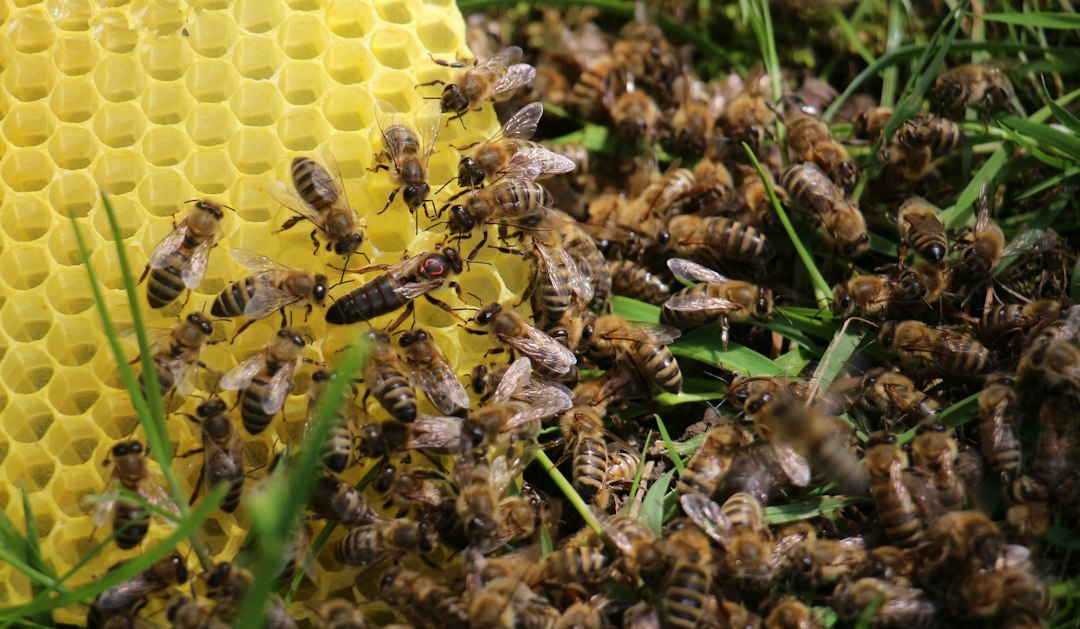
Honey bees are primarily carbohydrate-powered for flight and heat generation, but protein is what builds the biological machinery of the colony. Worker bees need dietary amino acids to produce brood food, synthesize royal jelly, construct wax, and develop the hypopharyngeal glands that allow nurse bees to feed larvae. When protein is short, those glands atrophy. Nurse bees produce less royal jelly. Larvae receive inadequate nutrition and develop into smaller, shorter-lived adults with reduced immune function.
The connection between protein nutrition and colony resilience is worth stating plainly. Research published through the University of Florida IFAS Extension and related apiculture programs has established that nutritionally stressed colonies mount weaker immune responses and are more vulnerable to pathogen loads, including Varroa-vectored viruses. A colony running on empty protein reserves is not just smaller - it is more fragile at every level of biology.
Pollen is the primary dietary protein source for bees. A single pollen load from a forager can contain anywhere from 7 to over 30 percent crude protein depending on plant source, and colonies mix and select among pollen types to balance their amino acid intake. Dandelion, for instance, is plentiful and attractive but lower in protein than borage or phacelia. Colonies actively manage this diversity when multiple sources are available. When natural diversity is absent, the colony compensates poorly - you cannot forage what is not blooming.
Pollen substitutes and supplements are designed to replicate this nutrition during dearth. Substitutes contain no real pollen and are used during absence; supplements blend real pollen with fillers and extenders. For most hobbyist beekeepers, a high-quality commercial substitute like Mann Lake Ultra Bee Pollen Substitute Patties, 10 Lbs provides a consistent nutritional profile that is operationally easier than sourcing and storing bulk pollen. The critical variable is not substitute versus real pollen - it is whether you feed before the deficit shows up rather than after.
The Seasonal Protein Feeding Calendar
Protein feeding is not a year-round default - it is a targeted intervention matched to colony need and natural pollen availability. The timing differs by region, but the underlying logic is consistent regardless of climate zone.
Late winter and early spring (late January through March in most temperate climates): This is the highest-value window for protein supplementation. Queens begin laying four to six weeks before the first major nectar flow, and the colony needs protein to rear that brood. In most of North America, the landscape is not delivering usable pollen volumes yet. Placing patties now, before obvious need appears, gives nurse bees the raw material to rear the adult population that will actually work the spring flow. You are not feeding the current colony so much as building the workforce that harvests the spring crop. This distinction matters because it reframes protein feeding from a reactive rescue to a forward investment.
Active spring bloom (April through June): If good bloom is present and colonies are foraging actively, protein supplementation may be unnecessary. Monitor pollen stores on brood frames. If you consistently see two to four frames with substantial pollen arcs alongside active brood, the colony is meeting its own needs. If pollen stores look thin or you manage hives in a monoculture landscape with limited floral diversity, keep patties available in reduced quantities. The risk here shifts from deficiency toward excess - abundant protein with abundant nectar can encourage the colony to build beyond what the apiary can support, increasing swarm pressure. Consult the seasonal beekeeping calendar to track bloom timing against colony behavior in your region.
Summer dearth (July through August in many regions): Many beekeepers experience a genuine dearth mid-season when spring blooms are finished and fall goldenrod and aster have not yet started. Colonies can stall or even lose population during this window. A half-patty placed every two weeks maintains brood continuity without stimulating a buildup the colony cannot sustain on limited nectar income. Think of summer protein feeding as maintenance, not stimulation.
Fall build-up (August through October): The bees reared in late summer and early fall are the ones that carry the colony through to spring. This makes fall protein feeding one of the highest-stakes interventions of the beekeeping year. Feed protein aggressively enough to support maximum brood rearing before the queen slows down, and pair with carbohydrate feeding if nectar stores are not full. Stop supplementing by the time the colony begins final cluster preparation - fresh brood in late October or November in northern climates strains the overwintering cluster unnecessarily.
Winter: No protein feeding is useful for a resting cluster that is not actively rearing significant brood. A cluster at 45 degrees Fahrenheit will not break formation to retrieve food placed on the outer top bars. Wait until ambient temperatures exceed 50 degrees Fahrenheit consistently and the cluster is moving around the box before re-introducing patties in late winter.
Pollen Patties vs. Dry Protein Supplements: Choosing the Right Format
Two delivery formats dominate supplemental protein feeding: pollen patties and dry powder supplements. Each has genuine advantages depending on your season, climate, and pest pressure.
| Format | Best Season | Ease of Use | Hive Moisture Risk | Small Hive Beetle Risk | Cost Per Feeding |
|---|---|---|---|---|---|
| Pollen patties | Late winter, fall, spring | High | Low-moderate | Moderate | Low to medium |
| Dry powder supplement | Spring and summer dearth | Medium | Low | Low | Low |
| Homemade patties (soy/yeast base) | Any dearth window | Lower | Moderate | Moderate | Very low |
Pollen patties are the standard for most hobbyist operations. You place them directly on the top bars of the brood nest, the colony eats from below, and consumption rate tells you something useful about colony strength and actual need. The Mann Lake Ultra Bee Pollen Substitute Patties, 10 Lbs, like other quality substitutes, is designed to be consumed by bees rather than stored in cells. That distinction matters because pollen substitutes that bees attempt to pack as pollen can clog brood cells and create management problems.
Dry supplements work differently. You place them in a shallow dish or dedicated feeder outside the hive, and foragers carry the material in like natural pollen. This approach is lower-risk from a small hive beetle standpoint because it adds no moisture inside the hive. The tradeoffs are real: uptake is inconsistent, weather-dependent, and slower than direct patty feeding. Rain wets the powder quickly, mold follows, and in cooler conditions foraging activity drops too much to sustain meaningful uptake. Dry supplements make sense for warm-season dearth maintenance in dry climates, but they are not a substitute for patties during the high-stakes late-winter and fall windows.
For most backyard beekeepers managing one to five hives, pollen patties are the practical choice during the two critical feeding seasons. Dry supplements can supplement the program during warm-weather dearth when the hive is dry and bees are foraging freely.
How to Use Protein Patties: A Step-by-Step Protocol for Colony Development
Getting protein into a colony effectively requires more than setting a patty on the top bars and closing the lid. Follow this protocol to maximize uptake and minimize pest pressure.
-
Assess pollen stores before feeding. Open the colony and inspect the brood frames. A well-nourished colony maintains one to three frames with solid pollen arcs adjacent to capped brood. If stores look full and brood population is strong, hold off - you do not need to push more protein into a self-sufficient colony. If stores are thin, open brood is visible, and forager traffic is light, feed without waiting.
-
Size the patty to the colony. For a strong colony of 30,000 or more bees in active brood season, a full half-pound to one-pound portion is appropriate. For a smaller colony, nucleus, or a cluster in late fall preparation, use a quarter-pound portion. Overfeeding invites small hive beetles to breed in the excess. The patty should be fully consumed within seven to ten days under active conditions - if it is not, reduce portion size at the next feeding.
-
Place the patty directly over the brood cluster. Set the patty on top of the frames directly above where bees are concentrated. Remove the outer plastic wrapper or cut it open so bees have direct access. Many beekeepers leave the wax paper backing in place on the underside to reduce dripping onto lower frames. In a standard 10-frame box, center the patty over frames four through seven where cluster warmth is greatest.
-
Pair with a carbohydrate source when colony energy reserves are low. Protein metabolism requires energy, and a colony working through a patty while syrup stores are depleted can stall. Use the AOIT Rapid Round Hive Top Feeder for 8 or 10 Frame Beehives to offer sugar syrup alongside protein during spring build-up. The feeder’s textured cup and cone design and above-cluster placement mean you can refill without opening the brood area in cool weather. For newly installed packages and nuclei that need minimum disturbance, the Mann Lake Entrance Feeder provides easy syrup access without requiring a full hive inspection for refilling.
-
Check consumption at seven days. Return in one week. If the patty is half consumed, uptake is good and colony health is likely solid. If it is largely untouched, either the colony has adequate natural pollen, temperatures are too cold for the cluster to reach it, or the colony is weaker than expected. If the patty has vanished in three to four days, consumption is aggressive - positive in spring, but worth a quick check for small hive beetle eggs in warm weather.
-
Replace or remove at ten to fourteen days regardless of remaining material. Even partially consumed patties should be swapped out at this interval during warm months because mold develops quickly in the humid microclimate of an active hive. In cooler conditions below 55 degrees Fahrenheit, a patty can remain in place somewhat longer, but still inspect for mold before leaving it for a second week.
Integrating Liquid Feeding with Protein Supplementation
Protein and carbohydrate feeding are complementary, not interchangeable. A common error is treating them as alternatives when colonies handle both simultaneously during active build-up.
Penn State Extension’s apiculture program and other land-grant resources recommend providing 1:1 sugar syrup alongside protein patties during spring stimulative feeding. The 1:1 ratio mimics the water content of fresh nectar and stimulates the colony’s foraging instinct and the queen’s egg-laying response. Thicker 2:1 syrup is reserved for fall - two parts sugar to one part water by weight helps colonies pack cells for winter storage without triggering the brood-rearing response that late in the season would be counterproductive.
The AOIT Rapid Round Hive Top Feeder works well for the spring build-up scenario. Its above-cluster placement keeps feeding accessible without opening the brood area, and the half-gallon capacity reduces how often you need to refill during a period when mornings are often cold and opening the hive means losing warmth. For new installs, the Mann Lake Entrance Feeder is the simpler choice - it offers syrup access without any hive disturbance, which is exactly what a new package or nucleus needs during the first two weeks of establishment.
One firm rule: do not feed syrup in winter to a clustered colony that cannot use it. Unused or fermenting syrup adds internal moisture to the hive, which elevates Nosema risk and creates condensation problems on cold walls. Protein patties in the small quantities appropriate for late-winter pre-build-up generate less moisture risk than syrup and can be introduced when daytime temperatures consistently reach 45 to 50 degrees Fahrenheit. Save liquid feeding for when the cluster has broken and the colony is actively moving.
Common Protein Feeding Mistakes That Stall Colony Development
Understanding what not to do is as instructive as the feeding calendar itself. These are the errors that most reliably undermine supplemental feeding programs in hobbyist apiaries.
Feeding too late in spring. The instinct to wait until you can confirm the colony is struggling is backwards when it comes to protein. By the time nurse bee glands are depleted and brood population is visibly declining, the physiological damage is already done. The nurse bees that should have reared your spring workforce have already lived out shortened lifespans on inadequate nutrition. Protein feeding is a preventive strategy first and a corrective strategy second. If you are waiting for visible symptoms before opening a bag of patties, you have already missed the optimal window.
Placing patties too far from the cluster. In cool weather, a cluster of 5,000 to 10,000 bees is a compact mass that will not break formation to retrieve food positioned more than a few inches away. A patty placed on the outer edge of the top bars may sit entirely untouched for weeks while the cluster nearby is protein-deficient. Always center the patty directly over the warmest concentration of bees. During early spring, probe gently to find the cluster location before setting the patty down.
Ignoring small hive beetle pressure in warm climates. In the southeastern United States and similar climates above USDA Hardiness Zone 8, small hive beetles exploit protein patties as a breeding substrate. A colony that is strong enough to defend drawn comb may not be strong enough to prevent beetle larvae from infesting a partially consumed patty sitting on the top bars. In these climates, use quarter-patty portions during warm months and check every three to four days. If you consistently find beetle eggs in patty residue, shift to a dry supplement placed outside the hive for the summer period.
Using protein supplementation to avoid diagnosing real problems. If a colony consistently ignores patties during a season when it should be consuming them aggressively, that is diagnostic information. A colony that rejects readily available protein may be queenless, carrying a significant pathogen load, or may have declined below a viable threshold. Protein feeding does not substitute for an honest hive inspection. See the guide on early warning signs your colony is in trouble for a systematic checklist when colony behavior diverges from what you expect.
Overfeeding in summer to compensate for a failed spring build-up. Adding large quantities of protein in July and August does not retroactively fix a colony that entered summer undersize. What it does is stimulate brood rearing at a time when the colony may already be working hard to cool the hive and manage a limited nectar income. Excess patty material also amplifies small hive beetle pressure in warm months. Summer protein supplementation should be modest - a half-patty every two weeks at most - targeted at maintaining brood continuity rather than forcing a population expansion the colony’s foraging income cannot support.
Leaving moldy patties in place. A patty sitting in an active hive for more than two weeks during warm months frequently develops surface mold. Bees will generally avoid the affected material, which means the patty occupies space on the top bars without contributing nutrition. Replace on schedule rather than waiting for the colony to finish what remains. In humid climates, the two-week maximum interval is not a suggestion - it is the practical limit before mold becomes a consistent problem.
Frequently Asked Questions About Protein Feeding for Bee Colonies
How do I know whether my colony actually needs protein supplementation?
The most direct indicator is pollen stores on the brood frames during a routine inspection. A well-nourished colony with adequate protein income typically maintains two to four frames showing visible pollen arcs adjacent to capped brood. If stores are thin or absent and you can see open larvae that require nurse bee attention, supplementation is warranted. You can also watch forager traffic: bees returning to the hive with packed corbiculae suggest natural availability is adequate. Checking your regional bloom calendar against inspection observations helps you anticipate deficits before they show up physically on frames. Nutritionally stressed workers tend to be slightly smaller and shorter-lived, and you may notice irregular brood patterns that suggest poor larval nutrition rather than queen failure.
Can I make my own pollen substitute patties instead of buying commercial ones?
Yes, many beekeepers do. The most common homemade formulations use defatted soy flour, dry brewer’s yeast, and occasionally a small percentage of real pollen, blended with sugar syrup or light honey to form a workable dough. The main challenge is amino acid balance. Soy protein alone is deficient in certain amino acids critical for brood food production, which is why commercial formulations like Ultra Bee include specific amino acid supplementation in their blend. Homemade patties made with soy and yeast alone may support some brood rearing but will not fully replicate the amino acid profile of quality commercial substitutes. If you choose to mix your own, follow a tested recipe from a university extension source, and verify that your soy flour is defatted - high-fat soy products can go rancid quickly and bees will refuse them.
Will feeding protein supplements affect the flavor or safety of my honey?
Pollen patties or dry supplements fed during a dearth period, when honey supers are off or nectar flow is absent, do not influence honey flavor. Bees metabolize dietary protein internally; it does not transfer to stored nectar the way botanical flavor compounds do. The practical concern is timing: if you are feeding a protein supplement during an active honey flow, bees occasionally store trace quantities of substitute material in open honey super cells, which is undesirable from a product quality standpoint. The straightforward solution is to remove or relocate honey supers before placing patties during any active flow, or suspend protein feeding for the duration of the harvest window. No food safety concerns are associated with residues from well-managed protein supplementation in capped, finished honey.
Conclusion
Protein feeding is one of the most reliable management tools available to a backyard beekeeper, and it is chronically underused or mistimed. The leverage lives in two windows: late winter before the first spring bloom, and late summer into fall before the queen slows. Get those two intervals right with quality patties placed over the cluster, paired with appropriate liquid feeding, and the colony trajectory from season to season changes measurably. Bees entering spring with healthy nurse bee glands rear more and better workers. Bees entering winter with adequate protein stores live longer and maintain the cluster more effectively.
The discipline the calendar demands is simple: feed before you see the problem, not after. Check pollen stores at every inspection, match patty size to actual colony population, replace on schedule, and stay attentive to what consumption rate tells you about colony condition. The colony will respond visibly within three to four weeks of a consistent protein feeding program.
Found this useful? Bookmark this page to reference as you move through the late-winter and fall feeding windows.