Bee Nucs: What They Are, Where to Buy One, and How to Install It
If you are starting your first hive, one of the first decisions you will make is how to get your bees. Most beginners hear about packages and nucs, and are not quite sure which to choose. In our experience, bee nucs give first-year beekeepers a noticeably better start - more forgiving, faster to establish, and already humming with a functioning colony from day one.
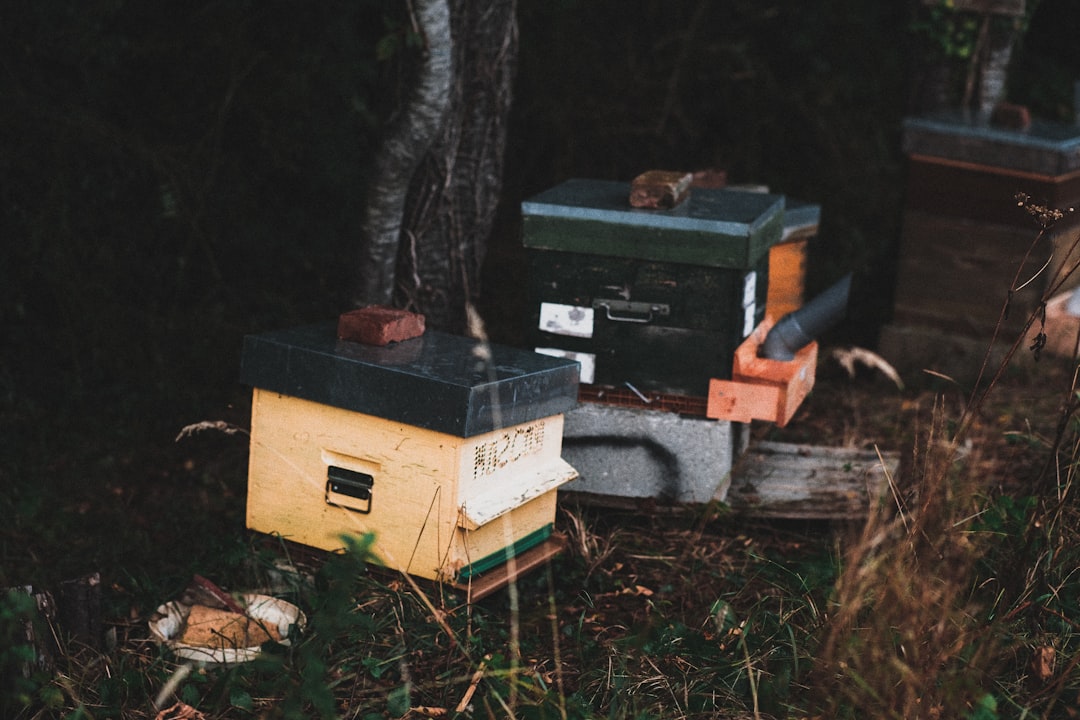
Photo by Mathias Reding on Unsplash
This guide covers everything you need to know about bee nucs - what they contain, when to buy them, how to find a reputable source, and exactly how to install one into your hive on pickup day.
What Is a Bee Nuc?
A bee nuc (short for nucleus colony) is a small, fully functioning colony of honeybees built on 5 frames. Unlike a package of bees - which is just a mesh box of loose bees with a caged queen - a nuc is a genuine miniature hive. It already has an established, mated queen who has been laying for several weeks, frames of capped brood in various stages, stored honey and pollen, and a cohesive population of worker bees that already know and accept her.
When you install a nuc, you are not starting from scratch. You are transplanting a going concern.
The 5 frames in a standard Langstroth nuc fit directly into a standard 10-frame deep box. You slide them in, add 5 empty frames to fill the space, and close it up. That is the whole installation.
Bee Nucs vs. Package Bees: Which Should You Start With?
Both work, but they start differently. Here is how we think about it:
Packages are a mesh box of roughly 10,000 loose bees and a caged queen who is a stranger to them. The colony has to establish a bond with the queen, build all their comb from scratch, and begin raising brood before any real growth happens. This takes time - usually 4 to 6 weeks before you see a solid brood pattern.
Bee nucs skip that whole process. The queen is already accepted, brood is already developing, and comb is already drawn. We have seen nucs in a full 10-frame box within 6 weeks of installation, where a package colony would still be working its first few frames.
The trade-offs:
- Nucs cost more, typically $40-$80 more than a package depending on your region
- Nucs are only available locally or regionally (they cannot be safely shipped like packages)
- Nuc availability is more limited - good suppliers sell out weeks or months in advance
If you are starting your first hive and have access to a reputable nuc supplier, we strongly recommend going with a nuc. The head start is worth the extra cost.
What Comes in a Bee Nuc?
A standard 5-frame bee nuc contains:
- 1 frame of honey and pollen (food stores)
- 1-2 frames of drawn empty comb (ready for the queen to lay into)
- 2-3 frames of brood in various stages (eggs, young larvae, and capped pupae)
- A mated, laying queen - usually marked with a paint dot by the supplier
- Enough worker bees to cover all 5 frames (roughly 10,000 to 15,000 bees)
The brood and stored food are what make a nuc so valuable. The brood ensures a constant emergence of new bees from the moment you install it. The food stores mean the colony is not immediately dependent on forage or your supplemental feeding.
When to Buy Bee Nucs
Bee nuc availability follows a tight seasonal window. In most of North America, nucs are ready from late April through early June, depending on how far south you are and how the season unfolds.
Suppliers build nucs from their overwintered colonies as those colonies build up in spring. Once splits are made and queens are mated - typically a 3 to 4 week process - nucs are ready to go. This window moves fast and sells out faster.
Our advice: if you plan to start a hive this season, contact suppliers in January or February. Many take deposits. Waiting until April to look for nucs is leaving it late.
How to Find and Order Bee Nucs
The best bee nucs come from local beekeepers, not mail-order operations. Local bees are adapted to your climate and your regional forage. They have been selected through seasons of actual winters and summers in conditions similar to yours.
Here is how to find a reputable local supplier:
- Your local beekeeping association - Most counties or regions have a beekeeping club with a member directory. Club members are often willing to sell nucs to beginners, and you can ask questions in person at meetings.
- State or provincial apiarist listings - Many state departments of agriculture maintain registries of licensed honey producers and nuc sellers.
- The USDA NASS Bee and Honey survey tracks colony health and availability by state, useful for understanding your region’s bee health before you buy.
- Word of mouth at your local feed store or farm supply - Bees and beekeeping supplies go together. Staff often know who sells locally.
When evaluating a supplier, ask: how long have they been keeping bees, are their colonies treated for Varroa, and can you inspect a nuc before you take it? A supplier who welcomes inspection is a good sign. One who resists it is not.
How to Install a Bee Nuc
Have everything ready before you pick up your nuc. You want the installation done the same day you collect them.
What you need:
- Your assembled hive body (10-frame deep box on a bottom board, with a cover and inner cover)
- A lit smoker
- Your full protective gear
- A hive tool
Step-by-step installation:
-
Set up your hive first. Position it where it will live permanently. Bees orient to the location on their first orientation flights, so moving it later is disruptive.
-
Light your smoker. Puff a few times at the entrance of the nuc box after you arrive home, and again before you open it. This is calming, not strictly necessary, but it gives you a slower, more deliberate pace to work.
-
Open the nuc box. Remove the lid and lean it aside. You will see 5 frames covered in bees.
-
Transfer the frames in order. This is important - do not scramble the frame sequence. The brood nest has a specific layout (pollen and honey on the outside, brood in the center) and the bees have arranged it deliberately. Lift each frame in sequence and place it directly into your hive body, maintaining that order. Set them in the middle of the box.
-
Fill the gaps. Once your 5 nuc frames are in place, add 5 empty frames (with foundation, or drawn comb if you have it) on each side to fill the box. The bees will work outward from the nuc frames over the coming weeks.
-
Transfer remaining bees. Tip or brush any bees remaining in the nuc box into the hive. You want as many bees as possible.
-
Close up. Add the inner cover and outer cover. You are done.
We have found that the installation itself takes about 15 minutes once you are in a rhythm. The bees are typically calm because they are focused on defending and orienting to their new space.
- Feed if conditions require it. If you are installing early in the season when forage is not yet available, or if the nuc’s food stores looked light, add a hive-top feeder with 1:1 sugar syrup.
Your First Inspection After Installing Bee Nucs
Wait 5 to 7 days before opening the hive after installation. This gives the colony time to extend their comb into the new frames and settle in without interruption.
At your first inspection, you want to confirm: is the queen still laying? Look for eggs in the new empty frames that were added alongside the nuc frames. If you see fresh eggs and young larvae, the colony is expanding. That is exactly what you want.
For a detailed walkthrough of what to look for, see our guide on your first hive inspection.
If you are struggling to find the queen herself, our guide on how to identify the queen bee covers all the visual cues.
Recommended Products
BeeCastle 5-Frame Bee Hive Nuc Box - If you are picking up a nuc that comes in a cardboard travel box, ask your supplier. If you need to transport them or want a wooden reusable nuc for making future splits, a standard 5-frame wooden nuc box is inexpensive and lasts for years.
Stainless Steel Beekeepers Hive Tool Set - You will use a hive tool at every single inspection for the rest of your beekeeping life. Do not skip this. A J-hook style tool makes prying propolis-sealed frames much cleaner than a flat tool.
VIVO Stainless Steel Bee Hive Smoker - A reliable smoker is the most important tool you own. The VIVO holds a coal long enough to get through a full installation and first inspection without relighting. We have used stainless smokers for years and the durability is worth it over cheaper galvanized models.
For nuc boxes and woodenware, Mann Lake carries quality assembled and unassembled nuc equipment that is worth looking at if you plan to make your own splits later.
For complete nuc installation kits and hive setups, Dadant & Sons has supplied beekeepers for over 150 years and their assembled hive equipment is a solid choice for beginners.
As an Amazon Associate we earn from qualifying purchases at no extra cost to you.
Already have your nuc installed? Next up: bookmark our full hive inspection guide so you know exactly what you are looking for at that first 7-day check.